

Trademark and Brand Protection for Entrepreneurs, Creators, and Startups
By Andrew R. Jacobs, Esq. | Founder & Managing Attorney, Jacobs Counsel LLC | Director, Sports, Entertainment & Gaming Initiatives, Seton Hall University School of Law | Super Lawyers Rising Star 2026
Quick answer
Quick Answer: Trademark protection helps businesses, creators, athletes, and startups protect names, logos, slogans, products, and services, but filing is only one part of the strategy. A strong brand plan should address clearance, ownership, classes, use in commerce, specimens, licensing, enforcement, and how the brand will actually be commercialized.
Quick Answer: Trademark protection helps businesses, creators, athletes, and startups protect names, logos, slogans, products, and services, but filing is only one part of the strategy. A strong brand plan should address clearance, ownership, classes, use in commerce, specimens, licensing, enforcement, and how the brand will actually be commercialized.
Key takeaways:
- Filing a trademark application is one tactic — not a brand strategy.
- Clearance, ownership, classes, and specimens often matter more than the application itself.
- Brand decisions for creators, athletes, startups, and AI companies look different and should be planned with the business model in mind.
- Licensing, co-branding, and enforcement decisions are commercial decisions, not just legal ones.
Founders, creators, athletes, and operators tend to think about brand protection as a single step: file a trademark. In practice, brand protection is a longer arc that touches naming decisions, clearance, ownership, classes, use in commerce, specimens, licensing, co-branding, content rights, enforcement, and how the brand connects to the rest of the business. Filing is one piece. The rest is strategy.
Brand Protection Is More Than Filing a Trademark
It is common for a founder, creator, or athlete to choose a name, set up social handles, and immediately file a trademark application — sometimes before the brand has actually been used, sometimes for the wrong mark, and sometimes without checking who else is already using something similar. Each of those steps can create downstream problems: refusals, oppositions, forced rebrands, ownership disputes, or weak rights that are hard to enforce later.
A useful way to think about brand protection: the application is the output of a plan, not the starting point. The plan answers what the brand is, who owns it, how it will be used, where it will be used, and how it will be commercialized.
What Trademarks Can Protect
Trademark rights generally attach to source identifiers used in commerce. Depending on facts and use, those may include:
- Company and product names
- Logos and stylized marks
- Slogans and taglines
- App, software, and SaaS product names
- AI tool and platform names
- Podcast, show, and content series names
- Creator brands and stage names
- Athlete brands and personal brand marks
- Service brands across professional, entertainment, gaming, and tech sectors
Whether any particular name, logo, or phrase is protectable as a trademark is fact-specific and depends on distinctiveness, use, and the goods or services involved.
What Trademarks Generally Do Not Protect
Trademark law has limits. As a general matter, trademarks are not the right tool for:
- General ideas or business concepts
- Functional product features (those are usually patent or trade-dress questions)
- Generic terms for the goods or services themselves
- Most underlying creative works (those are typically copyright questions — see Copyright 101 for Creators)
- Names used only internally, with no public-facing use
- Rights already owned by someone else
These categories should be reviewed case by case. Some assets need a combination of trademark, copyright, contract, and IP-assignment protection rather than any single filing.
Clearance Before Filing
Clearance is the step most often skipped — and the step that causes the most damage when it is. Before committing a brand to a website, packaging, app store listing, or funding deck, it is usually worth checking:
- Existing federal and state trademark registrations
- Pending applications for similar marks
- Similar marks used on related goods or services
- Common-law use (businesses using a name without registering it)
- Domain name and social handle conflicts
- Marketplace and app-store conflicts
- Rebrand risk if a larger or earlier user objects
- Investor and customer diligence concerns
- Enforcement risk if the mark is too close to someone else's
Clearance does not guarantee registration or freedom to operate. It does help surface known risks before a brand is built on top of a name that may need to change.
Ownership: Who Should Own the Mark?
Ownership decisions get overlooked surprisingly often. Filing in the wrong owner's name can create real problems later — including challenges to validity and complications during financing or acquisition. Common ownership questions:
- Should the founder personally own the mark, or should the operating company own it?
- Is there a holding company that should own all IP and license it to operating entities?
- For creators and athletes, does a personal loan-out or brand entity own the mark?
- For joint ventures and co-founded brands, who owns what, and on what terms?
- For designers, agencies, and contractors who created logos or brand assets, are there written assignments transferring the work to the company?
Written IP assignment agreements with founders, contractors, designers, and agencies are often more important than the trademark filing itself.
📥 Free Download: Brand Protection Blueprint
Understand trademark rights, filing strategy, monitoring and expansion before investing further in your brand.
Download Free GuideFiling Strategy
Filing is where strategy meets paperwork. A few considerations to think through with counsel rather than guess at:
- Word mark vs. logo (and whether both are worth filing)
- Which classes of goods and services actually match the business
- How broadly or narrowly to describe goods and services
- Intent-to-use vs. use-based filing at a high level
- Specimens that actually show the mark being used as a brand
- Multi-brand portfolio planning across product lines
- International filing considerations for businesses operating globally
Filing too broadly invites refusals and oppositions. Filing too narrowly leaves real products and uses exposed. These are judgment calls tied to the business plan.
Brand Protection for Creators and Athletes
Creator and athlete brands often live across many categories at once: content, merchandise, sponsorships, endorsements, and licensing. A creator's brand may be a stage name, a content series name, a merch line, and a community name simultaneously. An athlete's personal brand may be tied up with NIL deals, endorsements, foundations, and business ventures.
Common issues worth planning around:
- Personal brands and stage names
- Social handles and content series titles
- Merchandise and product lines
- Endorsements and sponsorship deals
- Licensing and brand collaborations
- NIL and creator deal conflicts (see Social Media Rights in NIL and Athlete Brand Deals)
- Coordination between personal IP and business-entity IP
Brand Protection for Startups and AI Companies
For startups and AI companies, brand protection is part of the same toolkit as IP, contracts, and corporate hygiene. Customers, enterprise buyers, and investors increasingly ask brand and IP questions during diligence.
Common areas:
- Product, app, and SaaS brand names
- AI tool and model brand names
- Customer-facing brand assets used in sales and marketing
- Open-source or project names where there is a public-facing brand
- Investor diligence on trademark filings and ownership
- Enterprise customer concerns about IP indemnities and ownership
For more on AI-specific brand and IP issues, see AI Tools and Copyright: Legal Issues Startups Should Review.
Licensing, Co-Branding, and Commercial Use
Once a brand has value, others will want to use it. Licensing and co-branding decisions are where the brand actually becomes a revenue and partnership asset.
Issues worth covering in writing:
- Scope of the license (what marks, what goods or services)
- Merchandise and product categories
- Sponsorship and endorsement terms
- Co-branded products and joint marketing
- White-label and private-label arrangements
- Affiliate and creator uses of the brand
- Quality control and brand standards
- Approval rights over uses, designs, and creative
- Territory and term limits
- Revenue share, royalties, and minimum guarantees
For creator-specific licensing structures, see Creator Licensing Agreements and Personal Brand Legal Protection.
Enforcement and Monitoring
Brand rights only matter when they are actually defended — and over-enforcement can be its own problem. A practical enforcement program usually involves:
- Monitoring the marketplace, app stores, and social platforms
- Watching for confusingly similar brands and domain names
- Sending demand letters where appropriate
- Using platform takedown processes
- Resolving domain and social handle disputes
- Making cost-benefit judgments about which fights are worth taking
- Avoiding aggressive over-enforcement against fans, customers, or de minimis uses
Enforcement strategy is partly legal, partly commercial. Not every potential conflict is worth a formal dispute.
Common Mistakes
Recurring mistakes we see across founders, creators, athletes, and operators:
1. Choosing and launching a name before any clearance
2. Filing only a logo when the word mark is what actually matters
3. Filing in the wrong owner's name (founder vs. company vs. holding entity)
4. Using inconsistent brand names across products, social, and contracts
5. Not getting written IP assignments from designers, agencies, and contractors
6. Waiting too long to file once the brand is being used at scale
7. Filing overly broad goods and services that invite refusals
8. Ignoring specimens and how the mark is actually being used in commerce
9. Letting partners, affiliates, or licensees use the brand without a written license
10. Not planning for future product, category, or geographic expansion
How Jacobs Counsel Helps
Jacobs Counsel helps founders, creators, athletes, startups, and businesses protect names, brands, content, copyrights, trademarks, licensing rights, and other valuable intellectual property. We work on brand and IP strategy across sports, entertainment, gaming, tech, AI, and growth-stage businesses — covering clearance, filings, ownership structures, licensing, co-branding, and enforcement decisions.
Conclusion
Brand protection should support the business model. What does the company actually sell? Who should own the brand asset? How will the brand be used, licensed, and defended over time? Filing a trademark application without answering those questions tends to produce paperwork without protection. Answering them first — and then filing — tends to produce a brand that can actually be commercialized, defended, and grown.
For broader context on brand and IP strategy, see the Brand & IP hub, the AI & Startups hub, and the Creators & Entertainment hub. For a deeper look at trademark portfolio planning, see Professional Trademark Strategy.
[Attorney review: consider adding USPTO guidance, Lanham Act reference, or trademark prosecution authority here.]
Key Takeaways
- *Key takeaways:**
- Filing a trademark application is one tactic — not a brand strategy.
- Clearance, ownership, classes, and specimens often matter more than the application itself.
- Brand decisions for creators, athletes, startups, and AI companies look different and should be planned with the business model in mind.
- Licensing, co-branding, and enforcement decisions are commercial decisions, not just legal ones.
Legal Disclaimer: This article is for general informational purposes only and does not constitute legal advice. Reading this article does not create an attorney-client relationship. Laws vary by jurisdiction and may change over time. You should consult counsel about your specific facts before making legal or business decisions.
About the Author
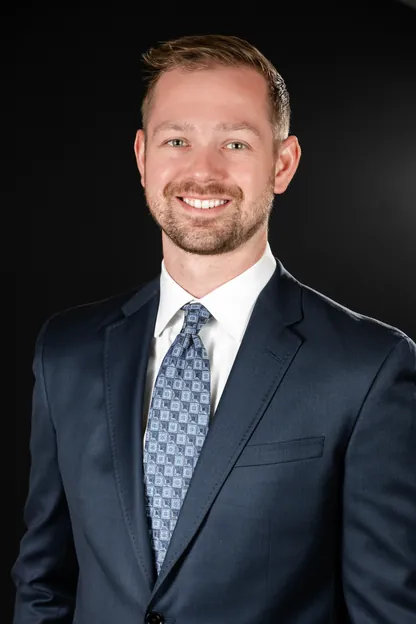
Andrew R. Jacobs, Esq.Founder & Managing Attorney at Jacobs Counsel LLC. Director of Sports, Entertainment & Gaming Initiatives at Seton Hall Law. Super Lawyers Rising Star 2026. Licensed in NY, NJ & OH.
Read full bio →Related on Content Creator Rights, IP & Brand Deals
Cornerstone guides and services
Creator Brand Deals & IP Protection
Licensing, copyright, and brand-deal strategy for content creators.
Read: Creator Brand Deals & IP ProtectionContent Creator Rights Services
DMCA, copyright registration, and brand-deal negotiation — fixed scopes.
Read: Content Creator Rights ServicesCounsel for Creators
Own your content. Close better brand deals. Build a catalog that pays.
Read: Counsel for CreatorsFound this helpful?
Brand Protection Blueprint
Understand trademark rights, filing strategy, monitoring and expansion before investing further in your brand.
Related Articles
What Changed for NIL Deals and Collectives in 2026?
A practical look at the 2026 NIL landscape: the House settlement, the Protect…
Gaming & ComplianceWhat the 2026 PA Skill Games Ruling Means for Operators
Pennsylvania's Supreme Court held skill games are illegal slot machines, with…
AI & StartupsHow AI Startups Should Structure Their Legal Team at Seed and Series A
A practical guide for AI and technology founders on building a legal function…
Keep Learning
More insights on Brand & IP legal strategies
Brand Protection Blueprint
Understand trademark rights, filing strategy, monitoring and expansion before investing further in your brand.
Copyright Strikes and Platform Takedowns: What Creators and Brands Should Know
**Quick answer:** Copyright strikes and takedown disputes can affect content, revenue, sponsorships, accounts, and brand relationships.
Professional Trademark Strategy: Building a Lasting Brand
In the creator economy, your brand is your most valuable asset. It's what distinguishes you from thousands of other talented individuals and creates lasting…
Enjoyed this article?
Get weekly legal insights delivered straight to your inbox. We keep it brief and useful.
Need Legal Support?
We help high-performing creators, athletes, and founders protect their brands and build sustainable businesses.