
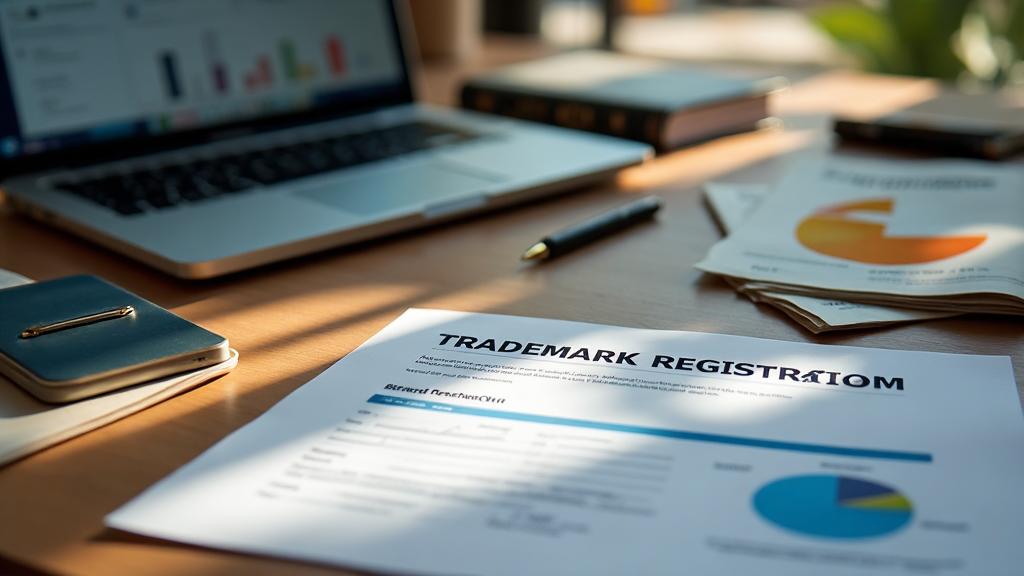
Personal Brand Legal Protection for Creators, Athletes, and Founders
By Andrew R. Jacobs, Esq. | Founder & Managing Attorney, Jacobs Counsel LLC | Director, Sports, Entertainment & Gaming Initiatives, Seton Hall University School of Law | Super Lawyers Rising Star 2026
Quick answer
Personal brands now drive real revenue across creators, athletes, entertainers, startup founders, AI founders, executives, podcasters, newsletter operators, speakers, coaches, and online business owners. As that revenue grows, so does legal exposure — and a lot of it is avoidable with a small am...
Quick answer: A personal brand can become a valuable business asset, but protecting it requires more than posting consistently or owning a domain name. Creators, athletes, founders, and public-facing professionals should think about trademark clearance, ownership, content rights, licensing, endorsement restrictions, entity structure, platform use, impersonation risk, and how the brand will be monetized over time.
Personal brands now drive real revenue across creators, athletes, entertainers, startup founders, AI founders, executives, podcasters, newsletter operators, speakers, coaches, and online business owners. As that revenue grows, so does legal exposure — and a lot of it is avoidable with a small amount of upfront planning.
A Personal Brand Can Become a Business Asset
Most personal brands start as audience-building and turn into businesses without anyone formally noticing. Over time, the brand can support services, paid content, sponsorships, endorsements, merchandise, speaking, courses, communities, media projects, and licensing or co-branded products. Once revenue is flowing, the brand is a business asset — and it should be structured, owned, and contracted for like one.
The questions that matter are practical: what exactly is the brand, who owns it, how is it used today, how will it be monetized next, who else can use it, and how can it be protected without slowing down commercial growth.
What Personal Brand Protection Actually Covers
"Personal brand" is broader than a logo. Depending on the person, it can include:
- Legal names used commercially, professional names, and stage names
- Creator handles, show or podcast names, and newsletter names
- Course, community, and membership names
- Logos, wordmarks, and visual systems
- Slogans, taglines, and recurring catchphrases or content-series names
- Merchandise designs and product lines tied to the personal brand
- Image, likeness, voice, and persona — to the extent applicable law and contracts protect them
Not every element is independently protectable, and protection varies by jurisdiction and by how the element is actually used. The point of this list is scope: when people say "protect the brand," they usually mean several different legal regimes working together.
Trademark Strategy for Personal Brands
Trademarks are usually the backbone of personal brand protection, but trademark strategy is more nuanced than "file the name." Important questions include:
- Clearance before investing meaningfully in a name, handle, or show title
- Whether to file a word mark, a logo, or both, and in what order
- Personal names versus standalone brand names, and the different rules that can apply
- The correct goods and services classes, based on how the brand will actually be used
- Use in commerce and the specimens required to support a filing
- Merchandising rights and how product lines fit into the filing strategy
- Expansion plans: products, content formats, events, services, and licensing
- Coordinating filings with the right owner (individual, operating company, or holding entity)
Filing is one step, not a guarantee. Whether a particular mark can be cleared, registered, or enforced depends on the specific name, the actual goods and services, prior users, and how the brand is used over time. Treat trademark strategy as a long-term portfolio decision, not a single transaction.
Ownership: Individual, Company, or Separate Brand Entity
Ownership is one of the most common weak points in personal brand work. Common structures include the individual personally, an operating company, a separate creator or athlete entity, a holding company that licenses the brand to operating entities, a production company, joint ventures with partners or co-hosts, and arrangements involving management companies or agencies.
Each structure has tradeoffs around tax, liability, control, partner expectations, and what happens if the relationship changes. The legal failure mode is not "choosing the wrong entity" — it is usually unclear or undocumented ownership: trademarks filed in the wrong name, content created under one entity but used by another, or partners assuming they own something they do not. Written assignment and license agreements between the individual and the relevant entities are typically what makes the structure actually work.
Content Rights and Creative Assets
Personal brands are built on content: photos, videos, podcasts, writing, courses, newsletters, graphics, music and audio, social clips, website copy, and brand assets. A meaningful share of that content is produced by contractors — photographers, videographers, editors, designers, ghostwriters, agencies, and production partners.
Paying an invoice does not, by itself, transfer copyright ownership in every situation. Whether the personal brand owns the underlying content typically depends on written rights language: work-made-for-hire provisions where applicable, assignments, and license terms that fit how the content will actually be used (organic posting, paid media, repurposing, derivative works, training data, and so on). [Attorney review: work-made-for-hire, assignment, and contractor IP language is fact-specific and should be reviewed against the underlying engagement and applicable law.]
Brand Deals, Sponsorships, and Endorsements
Brand deals are where personal brand legal exposure becomes most visible. Important terms include scope of use, name/image/likeness rights, paid media and whitelisting or boosting rights, exclusivity and category conflicts, morality and reputation clauses, approval rights, sublicensing, term and territory, post-term use, and renewal or extension fees.
The same framework applies across creators, athletes, influencers, founders, and public-facing professionals — but the leverage points differ. Athletes face additional NIL considerations (below). Founders need to confirm that endorsement activity does not conflict with their company's own brand, customers, or investor expectations. Public-facing executives should consider whether brand work creates conflicts with the operating business.
For a deeper look at deal-level terms, see Endorsement Deal Red Flags for Athletes and Creator Licensing Agreements.
📥 Free Download: Brand Protection Blueprint
Understand trademark rights, filing strategy, monitoring and expansion before investing further in your brand.
Download Free GuideNIL and Athlete Personal Brands
For athletes, personal brand work overlaps with NIL. Practical questions include the structure of NIL deals, applicable school, conference, association, or platform rules, endorsement and category conflicts, collective arrangements, agent and manager relationships, social-media usage rights, and any contractual restrictions on future brand opportunities.
NIL rules are not uniform across jurisdictions, schools, or governing bodies, and they continue to evolve. Athlete personal-brand planning should be paired with deal-specific review rather than relying on general assumptions. For context, see the NIL & Athlete Deals hub and Social Media Rights in NIL and Athlete Brand Deals.
AI, Synthetic Media, and Personal Brand Risk
AI and synthetic media create new personal-brand questions: AI-generated edits of existing content, synthetic voice and image, digital replicas and avatars, deepfake-style uses, AI training restrictions in brand and content agreements, approval rights for AI-modified content, and impersonation or brand-confusion risks on platforms.
The underlying law in this area is evolving and varies by jurisdiction. Practical protection in the meantime tends to come from contract terms — clear restrictions on AI use, training, derivative works, and synthetic likenesses — rather than relying on broad legal conclusions. [Attorney review: AI, name/image/likeness, and synthetic media restrictions should be tailored to the specific assets, platforms, and jurisdictions involved.]
Platform, Domain, and Handle Protection
Operational protection matters as much as legal protection. Common issues include domain ownership across relevant TLDs, social handles across major platforms, impersonation and lookalike accounts, username consistency, platform takedown and trademark-report procedures, account ownership inside the right entity, employee and agency access, two-factor and security hygiene, and compliance with each platform's terms.
Platform reporting and takedown systems can be useful tools, but outcomes are not guaranteed. Platforms decide whether to act based on their own policies and processes, which change over time and are not always predictable.
Licensing and Commercialization
Once a personal brand is established, commercialization options expand: merchandise, speaking, courses, communities, paid newsletters, media appearances, brand collaborations, sponsorship packages, affiliate arrangements, book, podcast, or show opportunities, and white-label or co-branded products with other businesses.
Each of these is a license arrangement at some level — even if it is not labeled that way. Recurring legal questions include who owns the underlying brand, what rights are being granted, revenue share or royalty structure, approval rights over use of the name and likeness, term and renewal, exclusivity, and post-term obligations. See Creator Licensing Agreements and Trademark and Brand Protection for Entrepreneurs, Creators, and Startups for related framing.
Enforcement and Practical Judgment
Enforcement is a business decision, not just a legal one. Typical options include monitoring confusing uses, sending demand letters, filing platform reports, pursuing domain and social-handle disputes, and enforcing contracts against partners, licensees, or former collaborators.
Not every infringement is worth pursuing. Over-enforcement — or enforcement against the wrong target — can create reputational risk, distract from the business, and produce poor outcomes. A reasonable approach weighs the value of the brand at issue, the actual confusion or harm, the cost and likely outcome of action, and whether enforcement supports or undermines commercial goals.
Common Mistakes
- Building heavily around a name before doing meaningful clearance work
- Filing the wrong mark, in the wrong class, or under the wrong owner
- Not controlling contractor-created content with written rights language
- Letting brand partners use content indefinitely without additional payment
- Ignoring exclusivity and category conflicts across deals
- Not documenting ownership between the individual and the relevant entities
- Giving agencies, managers, or partners more control than intended
- Not addressing AI, synthetic media, and digital replica rights in contracts
- Skipping post-term takedown and use-restriction language
- Treating the personal brand as an informal side project after it starts generating real revenue
How Jacobs Counsel Helps
Jacobs Counsel helps founders, creators, athletes, startups, and businesses protect names, brands, content, copyrights, trademarks, licensing rights, and other valuable intellectual property. For personal-brand work, that typically means coordinating trademark strategy, ownership structure, content and contractor rights, brand and endorsement deals, NIL overlap where relevant, and platform-level issues — so the brand can grow commercially without creating avoidable legal exposure. See our Brand & IP services and Content Creator services.
Conclusion
Personal brand protection should support the business model. The key questions are what the brand actually is, who owns it, how it is used, how it generates revenue, who else can use it, and how it can be protected without blocking commercial growth. For more, see our Creators & Entertainment hub, Brand & IP hub, NIL & Athlete Deals hub, Trademark and Brand Protection for Entrepreneurs, Creators, and Startups, Creator Licensing Agreements, Copyright 101 for Creators, Creator Copyright Strikes, Social Media Rights in NIL and Athlete Brand Deals, Endorsement Deal Red Flags for Athletes, and Professional Trademark Strategy.
Legal Disclaimer: This article is for general informational purposes only and does not constitute legal advice. Reading this article does not create an attorney-client relationship. Laws vary by jurisdiction and may change over time. You should consult counsel about your specific facts before making legal or business decisions.
About the Author
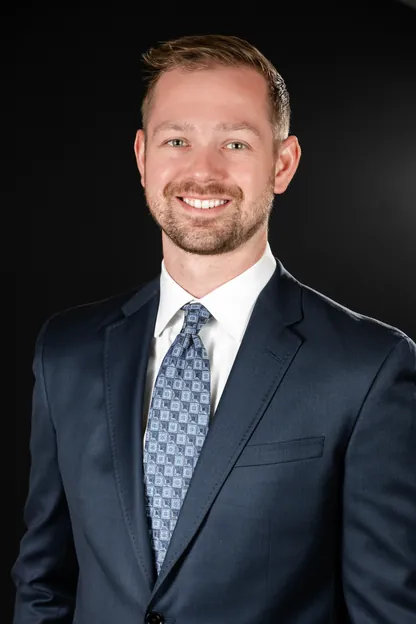
Andrew R. Jacobs, Esq.Founder & Managing Attorney at Jacobs Counsel LLC. Director of Sports, Entertainment & Gaming Initiatives at Seton Hall Law. Super Lawyers Rising Star 2026. Licensed in NY, NJ & OH.
Read full bio →Related on Content Creator Rights, IP & Brand Deals
Cornerstone guides and services
Creator Brand Deals & IP Protection
Licensing, copyright, and brand-deal strategy for content creators.
Read: Creator Brand Deals & IP ProtectionContent Creator Rights Services
DMCA, copyright registration, and brand-deal negotiation — fixed scopes.
Read: Content Creator Rights ServicesCounsel for Creators
Own your content. Close better brand deals. Build a catalog that pays.
Read: Counsel for CreatorsFound this helpful?
Brand Protection Blueprint
Understand trademark rights, filing strategy, monitoring and expansion before investing further in your brand.
Related Articles
What Changed for NIL Deals and Collectives in 2026?
A practical look at the 2026 NIL landscape: the House settlement, the Protect…
Gaming & ComplianceWhat the 2026 PA Skill Games Ruling Means for Operators
Pennsylvania's Supreme Court held skill games are illegal slot machines, with…
AI & StartupsHow AI Startups Should Structure Their Legal Team at Seed and Series A
A practical guide for AI and technology founders on building a legal function…
Keep Learning
More insights on Brand & IP legal strategies
Brand Protection Blueprint
Understand trademark rights, filing strategy, monitoring and expansion before investing further in your brand.
Copyright Strikes and Platform Takedowns: What Creators and Brands Should Know
**Quick answer:** Copyright strikes and takedown disputes can affect content, revenue, sponsorships, accounts, and brand relationships.
Trademark and Brand Protection for Entrepreneurs, Creators, and Startups
Enjoyed this article?
Get weekly legal insights delivered straight to your inbox. We keep it brief and useful.
Need Legal Support?
We help high-performing creators, athletes, and founders protect their brands and build sustainable businesses.