
NIL Endorsement Deal Attorney
Understand the deal before you sign. We review and negotiate endorsement, collective and school revenue-share agreements, with advice on the rights, payments and obligations that matter to your career.
Legal discussion as of May 26, 2026
Choose a complimentary 15-minute fit-and-intake call with Jamee (no legal advice) or a paid 30-minute attorney strategy session with Drew ($350).
- Super Lawyers Rising Star—NJ & NY Metro
- Director, Sports, Entertainment & Gaming Initiatives at Seton Hall Law
- Former Division I basketball player, Boston College (ACC)
- Former NFLPA-certified agent
- Licensed in NY, NJ, OH
What an NIL endorsement deal attorney does
An NIL endorsement deal attorney represents college and high school athletes in negotiating, reviewing, and structuring name, image, and likeness contracts. That includes individual brand endorsement deals, NIL collective contracts, House settlement revenue-share agreements with universities, transfer portal moves, social-only content deals, and equity-based partnerships. The attorney's job is to identify unfavorable terms before signing, negotiate fair compensation and deliverables, identify questions under state NIL laws, NCAA rules, university policies and the College Sports Commission reporting framework, and protect the athlete's long-term brand, IP, and earnings. At Jacobs Counsel, the responsible attorney, scope, timing and fees are agreed before legal work begins.
The team behind your deal
Drew Jacobs and Caitlin Hannibal bring experience in sports, entertainment and business agreements. Engagements are principal-led, with qualified attorneys assigned to the work and a responsible contact identified before we begin.
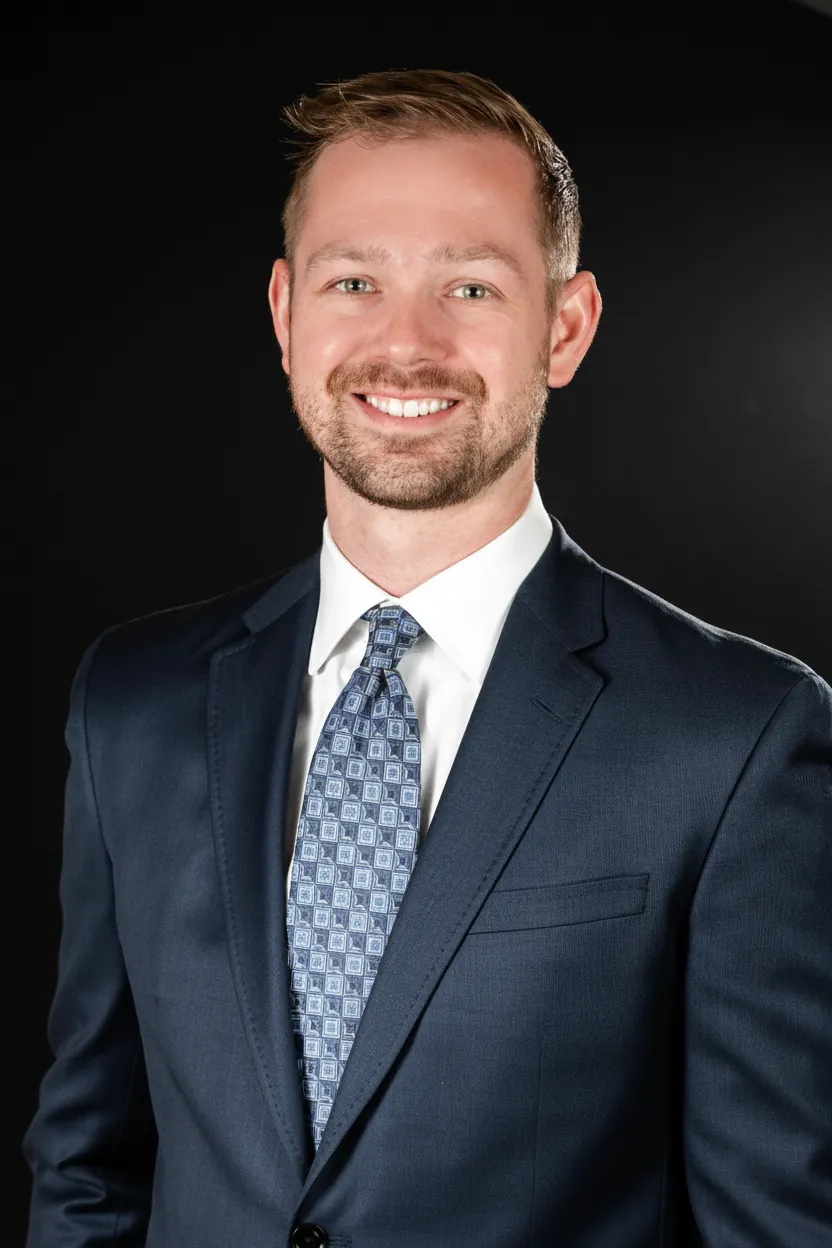 Andrew R. Jacobs, Esq.Founder & Managing AttorneyDrew founded Jacobs Counsel and advises businesses, athletes, and creators. He is admitted in New York, New Jersey, and Ohio.View profile
  Caitlin HannibalOf CounselCaitlin advises athletes, sports and media companies, and founders. She is admitted in New York and is a WNBPA Certified Player Agent.View profile
 Who We Represent
Current College Athletes
D-I, D-II, D-III, and NAIA athletes negotiating brand endorsement deals, collective agreements, and House revenue-share contracts with their schools. Whether you're a starter on a Power Four football roster or a soccer player with a strong social following, your deals deserve professional review.
High School Recruits and Their Families
High school athletes weighing NIL offers, family advisors structuring entity setup before college, and recruits navigating state-by-state high school NIL rules. The earlier the structure is right, the more leverage you keep.
Transfer Portal Athletes
Athletes entering the portal need legal review of departing-school revenue-share obligations, buyout or repayment clauses, and incoming-school offers. Share the actual agreements and deadlines so we can assess the work before committing to a schedule.
Deal Types We Negotiate
Individual Brand Endorsement Deals
Apparel, nutrition, equipment, financial services, automotive, local business, and direct-to-consumer brands. The standard term sheet is rarely athlete-friendly. We restructure deliverables, exclusivity scope, term, and termination so the deal works for your career—not just the brand's marketing calendar.
NIL Collective Contracts
Collectives now drive a large share of college NIL dollars, but their agreements vary wildly in quality. We examine the collective's structure and funding, review payment timing, deliverables, exclusivity and termination, and identify reporting and school-policy questions for the deal.
House Settlement Revenue-Share Agreements
Schools that opted into the House settlement framework can now pay athletes directly, with the first-year cap set at $20.5 million per school for the 2025–26 academic year. These agreements are new, untested, and increasingly the subject of litigation. We review revenue-share terms, buyout and repayment provisions, IP grants, and conduct clauses before you sign.
Transfer Portal Counsel
Departing-school obligations, incoming-school offers, NIL Go reporting, and timing strategy. We review the contract questions on both sides of the move and agree on priorities and timing before starting.
Social-Only and Content Deals
Sponsored posts, affiliate arrangements, ambassador programs, and creator partnerships. We review advertising disclosures, content ownership, usage rights, exclusivity windows and renewal terms.
Equity, Token, and Profit-Share Deals
Brand partnerships increasingly include equity, revenue share, or token components. These require entity structuring, securities analysis, tax planning, and careful valuation review before signing.
Group Licensing and Team Deals
Trading card, video game, jersey, and collective merchandise programs that license multiple athletes at once. We negotiate opt-in terms, royalty structures, and individual carve-outs.
What We Review in Every NIL Contract
- 1
Exclusivity scope
Category, geography, platform, and term. Overbroad exclusivity is the single most common way athletes lose future earnings.
- 2
Term and renewal
Length, auto-renewal triggers, and the athlete's right to walk.
- 3
Deliverables
Number of posts, appearances, hours, content approval rights, and what counts as performance.
- 4
Compensation structure
Payment timing, milestones, bonuses, equity vesting, and what happens if the brand misses payment.
- 5
IP and content ownership
Who owns the content, who can use the athlete's name and image, for how long, and where.
- 6
Morals and conduct clauses
Trigger definitions, cure rights, and termination consequences.
- 7
Termination rights
Both sides. The athlete needs an exit if the brand turns toxic or the deal stops fitting.
- 8
Compliance
State NIL law, NCAA rules, university policy, CSC and NIL Go reporting obligations, and FTC disclosure requirements.
- 9
Indemnity and liability
Caps, carve-outs, and insurance requirements.
- 10
Tax and entity structure
Whether the deal should flow through an LLC or S-corp, withholding, and 1099 reporting.
Background: the 2025–26 changes
The figures below describe the 2025–26 framework discussed in May 2026. For a separate guide to school payments and contract review, see our NIL revenue-share guide.
The first year of the House settlement framework began in 2025. In June 2025, a federal court approved the House v. NCAA settlement, which allows schools that opt in to share athletic revenue directly with athletes—up to a first-year cap of $20.5 million per school, rising annually over a ten-year period. The College Sports Commission, an independent enforcement body, now oversees the framework, including the NIL Go clearinghouse for third-party deals and the College Athlete Payment System for school-direct payments.
For athletes, the practical reality is that NIL deals now sit inside a real compliance structure. Third-party deals of $600 or more generally must be reported through NIL Go, typically within five business days. The CSC has signaled it will scrutinize deals that look like recruiting inducements rather than legitimate NIL value. State NIL laws still vary, federal NIL legislation remains unresolved, and high school NIL rules are a state-by-state patchwork.
For any new agreement, check the rules in effect when you sign. Read the school payment agreement separately from third-party endorsements, and identify what happens to each agreement if you transfer, lose eligibility or leave school.
Sources and further reading
These references accompany the May 2026 background discussion. For a new agreement, check the rules and guidance that apply to your school, state and deal at the time you sign.
- In re College Athlete NIL Litigation (House v. NCAA), Settlement Agreement (N.D. Cal. June 6, 2025)
- Congressional Research Service, "College Athlete Compensation: Impacts of the House Settlement" (LSB11349)
- College Sports Commission—Public Guidance on NIL Go Reporting
- NCAA—Current NIL Policy and Member Institution Guidance
- MultiState—State NIL Laws and College Athlete Compensation (State NIL Laws 101)
- FTC Endorsement Guides (16 C.F.R. Part 255)
This page does not constitute legal advice. The law in this area is changing rapidly. For advice on a specific deal or situation, book a consultation.
Why Athletes and Families Choose Jacobs Counsel
Athlete background
Drew Jacobs walked on to Boston College basketball and competed in the ACC. He understands locker rooms, career timelines, and what's at stake in every deal.
Former NFLPA-certified agent
Drew has negotiated professional contracts and represented athletes at the highest level.
Academic authority
Director, Sports, Entertainment & Gaming Initiatives at Seton Hall University School of Law. Directs the Annual Gaming Law Bootcamp.
Clear engagement terms
We agree on scope, staffing, fees and timing in writing. Defined projects may use fixed fees; ongoing work may be hourly, retainer-based or hybrid.
Responsible attorneys
Principal-led work with qualified attorneys assigned to the matter, a clear point of contact and firm oversight.
Practical contract advice
Understand what you are giving, what you are getting and which terms deserve another conversation before you sign.
How a Typical NIL Engagement Works
- 1
Choose the right call.
Choose a complimentary 15-minute fit-and-intake call with Jamee (no legal advice) or a paid 30-minute attorney strategy session with Drew ($350).
- 2
Agree the engagement.
After conflicts and matter fit are addressed, we agree on deliverables, the responsible attorney, timing and fees in writing. Defined projects may use a fixed fee; ongoing work may be hourly, retainer-based or hybrid.
- 3
Review and negotiation.
We mark up the contract, talk through the changes, and either negotiate directly with the brand, collective, or school, or coach you (or your agent) through the back-and-forth.
- 4
Signing and follow-through.
Within the agreed scope, we help finalize the agreement, identify reporting steps and explain ongoing obligations. Additional work is discussed before the engagement expands.
Frequently Asked Questions
Do I need an attorney for an NIL deal, or is an agent enough?
How much does an NIL endorsement attorney cost?
Can a high school athlete sign an NIL deal?
What is the House settlement and how does it affect my deals?
Do I have to report my NIL deals?
I'm in the transfer portal. Can you help me move fast?
What states are you licensed in?
Will you work with my agent and financial advisor?
Related Resources
NIL Collectives: What Athletes Must Know
Read articleTransfer Portal & NIL: Legal Considerations
Read articleThe Future of NIL: What's Changing in 2026
Read articleFree Guide
NIL Revenue Sharing for College Athletes
Plain-English breakdown for athletes, parents, and advisors.
Get Your NIL Deal Reviewed
Have a proposed agreement or a deadline? Bring the offer, related contracts and the questions you need answered. Choose a complimentary 15-minute fit-and-intake call with Jamee (no legal advice) or a paid 30-minute attorney strategy session with Drew ($350).