
NIL Collectives: Legal and Business Issues Athletes Should Review
By Andrew R. Jacobs, Esq. | Founder & Managing Attorney, Jacobs Counsel LLC | Director, Sports, Entertainment & Gaming Initiatives, Seton Hall University School of Law | Super Lawyers Rising Star 2026
Quick answer
NIL collective arrangements can create valuable opportunities for athletes, but the agreement should be reviewed carefully. Athletes should understand who is paying them, what deliverables are required, what content or NIL rights are being granted, whether exclusivity or conflicts exist, how school or governing-body rules may apply, and what happens if the deal changes or ends.
NIL collective arrangements can create valuable opportunities for athletes, but the agreement should be reviewed carefully. Athletes should understand who is paying them, what deliverables are required, what content or NIL rights are being granted, whether exclusivity or conflicts exist, how school or governing-body rules may apply, and what happens if the deal changes or ends.
NIL collectives have become a major part of how college athletes are compensated, but the legal and business issues behind a collective agreement are often more complex than they appear. The rules, enforcement posture, and structures continue to evolve quickly and can vary by state, school, conference, governing body, and the specific facts of a deal. This guide walks through the issues athletes, families, collectives, brands, donors, agents, and managers should review before signing.
For broader context, see the NIL & Athlete Deals hub, the NIL basics guide, and our practical guide to choosing an NIL attorney.
What an NIL Collective Is
An NIL collective is generally an organization that helps connect college athletes with compensation opportunities tied to their name, image, and likeness. Collectives may be organized as nonprofits, LLCs, or other entities, and they may be funded by donors, fans, businesses, or a combination. Some operate like marketing agencies, some like campaign organizers, and some focus on community or charitable activations.
Collective activity can include donor-supported campaigns, brand activations, appearances, content obligations, autograph sessions, camps and clinics, and community or promotional work. The specific structure of any given collective and any given deal varies, and the legal analysis is fact-specific.
Why Collective Agreements Need Careful Review
A collective arrangement is rarely just a check. It typically involves deliverables, appearances, content rights, usage rights, exclusivity, reporting obligations, school and team considerations, and third-party relationships. Each of these can affect the athlete's other opportunities, eligibility considerations, brand, tax position, and future leverage.
Treating a collective agreement like any other commercial contract — and reviewing it before signing — helps athletes understand what they are actually agreeing to and where the real risk sits.
Who Are the Parties?
Before signing, athletes should understand who every party in the deal is and who is paying whom:
- Athlete — the person granting rights and performing the work.
- Collective — the entity offering the deal; structure (nonprofit, LLC, donor-backed) matters.
- Brand or sponsor — sometimes a collective deal is really a brand deal routed through the collective.
- Donor-backed entity — funding source can affect deliverables and expectations.
- Agent or manager — who represents the athlete and how they are compensated.
- School-adjacent stakeholders — coaches, staff, or compliance contacts who may have visibility into deals.
- Vendors or agencies — production companies, marketing agencies, or platforms involved in deliverables.
- Family or business advisors — accountants, financial advisors, or family members involved in decision-making.
Athletes should know who represents whom, who is being paid by whom, and where any conflicts of interest may exist.
Compensation Structure
Collective compensation is rarely a single flat number. Common structures include:
- Flat fees for a defined scope.
- Monthly retainers tied to ongoing obligations.
- Per-deliverable payments for specific posts, appearances, or content.
- Appearance fees for events, camps, or clinics.
- Campaign-based payments tied to a defined marketing window.
- Bonus or performance structures tied to milestones or metrics.
- Product or in-kind compensation instead of, or in addition to, cash.
- Payment timing — upfront, on delivery, net-30, or back-loaded.
- Conditions to payment — approvals, deliverable acceptance, reporting, or compliance steps.
- Tax and entity considerations — whether the athlete is paid as an individual or through an entity, and how payments are reported.
This article does not provide tax advice. Athletes and families should work with a qualified tax professional on entity, reporting, and withholding questions.
Deliverables and Performance Obligations
The deliverables section is often where collective deals get complicated. Athletes should look for clarity on:
- Social posts (platform, format, frequency, content type).
- Appearances (length, location, travel, conduct expectations).
- Autograph sessions and signed items.
- Camps and clinics.
- Community events and charitable activations.
- Brand campaigns tied to collective sponsors.
- Content creation (videos, photos, behind-the-scenes).
- Attendance requirements at donor or community events.
- Reporting obligations (proof of post, engagement metrics, receipts).
- Make-goods if a post underperforms or an appearance is missed.
- Consequences for missed deliverables.
Vague deliverables create risk on both sides. Specific, written deliverables protect the athlete and the collective. For more on deliverable structure, see NIL deal negotiation.
📥 Free Download: NIL and Revenue Sharing Guide
Understand school payments, outside NIL deals and the contract questions that affect an athlete’s earnings.
Download Free GuideNIL Rights and Content Usage
Most collective agreements grant rights to use the athlete's name, image, likeness, and content. Athletes should understand:
- Name, image, and likeness rights being granted.
- Social media rights — what the collective or its partners can repost or use.
- Brand reposting by collective sponsors.
- Paid media and whitelisting — whether the collective or a sponsor can run paid ads using the athlete's content or handle.
- Content ownership — who owns content created for the campaign.
- Duration — how long the rights last.
- Territory — geographic scope of the license.
- Platform scope — which platforms the rights cover.
- Sublicensing — whether the collective can grant rights to third parties.
- Rights after termination — what the collective can continue to use after the deal ends.
For a deeper dive, see social media rights in NIL and athlete brand deals.
Exclusivity, Conflicts, and Future Deals
Exclusivity language can quietly take away significant future opportunities. Athletes should review how a collective agreement affects:
- Future sponsors and brand deals.
- Category conflicts (apparel, beverage, financial services, gaming, etc.).
- School or team sponsor conflicts.
- Transfer-related opportunities if the athlete changes schools.
- Professional opportunities if the athlete declares for a draft or signs professionally.
- Existing agent or manager relationships and their exclusivity terms.
Even a short-term collective deal can include exclusivity language that lingers well past the term.
School, Team, Conference, and Governing-Body Issues
NIL rules continue to evolve and vary by state, school, conference, and governing body. Athletes and collectives should consider, generally and on a fact-specific basis:
- Disclosure requirements to the school, conference, or governing body.
- Prohibited categories under school, conference, or state rules.
- Use of school marks, facilities, uniforms, or logos.
- Team rules and coach-imposed expectations.
- Conference and governing-body restrictions.
- Changes to rules over time, including settlement-driven changes.
- International athlete issues, including visa and tax considerations.
Athletes should consult their school's compliance office and qualified counsel before signing. This article does not cite specific rules because the landscape continues to change.
Termination, Suspension, and Changes
A well-drafted collective agreement should address what happens when circumstances change:
- Termination for nonpayment.
- Termination for missed deliverables.
- Termination if applicable rules change.
- Termination after transfer, injury, suspension, graduation, or professional declaration.
- What happens to content rights after termination.
- Clawbacks or repayment language tied to early termination or rule changes.
- Notice and cure periods before termination.
Athletes should be especially careful with clawback language and long-tail rights that survive termination.
Red Flags in NIL Collective Agreements
Common red flags worth a closer look — see also our broader checklist of endorsement deal red flags for athletes:
- Unclear payer or unclear flow of funds.
- Unclear or open-ended deliverables.
- Broad content usage rights with no time or territory limit.
- Broad exclusivity that blocks future deals.
- Payment conditioned on vague standards (e.g., "satisfactory performance").
- One-sided termination rights favoring the collective.
- Clawbacks tied to events outside the athlete's control.
- Long-term rights that survive the agreement.
- No clear approval process for content or appearances.
- Agent or manager compensation ambiguity.
- Missing school, team, or governing-body conflict language.
- No provision addressing rule changes.
- Missing dispute resolution process.
When to Get Legal Review
Legal review is most useful before signing a collective agreement, accepting a long-term arrangement, agreeing to exclusivity, granting content or usage rights, involving an agent or manager, or accepting compensation tied to ongoing obligations. Review is also useful when rules change, when an athlete transfers, or when a deal needs to be restructured.
How Jacobs Counsel Helps
Jacobs Counsel helps athletes, families, collectives, brands, and sports businesses review NIL agreements, endorsement deals, content rights, usage rights, agent and manager relationships, collective arrangements, and athlete business opportunities. Learn more about our sports and NIL practice.
Conclusion
A collective arrangement should be reviewed like a real commercial agreement: who pays, what the athlete must do, what rights are granted, what rules apply, and what happens if the deal or the athlete's circumstances change. Approaching collective deals with that mindset — and with qualified counsel — helps athletes protect their leverage, their brand, and their future opportunities.
- A collective agreement is a commercial contract; the structure, parties, and obligations should be reviewed carefully.
- Compensation, deliverables, NIL and content rights, exclusivity, and termination are the highest-leverage terms.
- School, team, conference, and governing-body rules vary and continue to evolve; disclosure and compliance steps matter.
- Exclusivity and long-tail content rights can quietly limit future deals well past the term.
- Legal review is most useful before signing, before granting broad rights, and before accepting long-term obligations.
Key Takeaways
- A collective agreement is a commercial contract; the structure, parties, and obligations should be reviewed carefully.
- Compensation, deliverables, NIL and content rights, exclusivity, and termination are the highest-leverage terms.
- School, team, conference, and governing-body rules vary and continue to evolve; disclosure and compliance steps matter.
- Exclusivity and long-tail content rights can quietly limit future deals well past the term.
- Legal review is most useful before signing, before granting broad rights, and before accepting long-term obligations.
Legal Disclaimer: This article is for general informational purposes only and does not constitute legal advice. Reading this article does not create an attorney-client relationship. Laws vary by jurisdiction and may change over time. You should consult counsel about your specific facts before making legal or business decisions.
About the Author
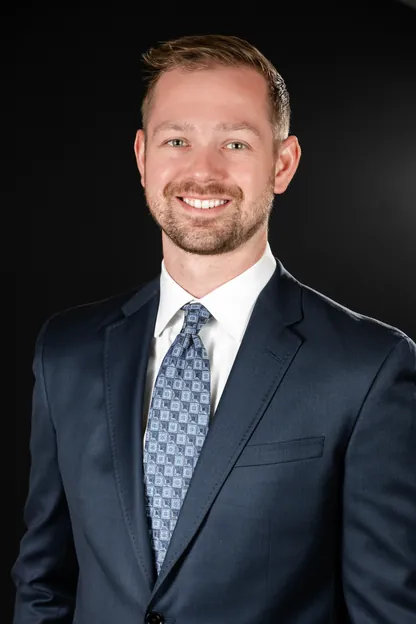
Andrew R. Jacobs, Esq.Founder & Managing Attorney at Jacobs Counsel LLC. Director of Sports, Entertainment & Gaming Initiatives at Seton Hall Law. Super Lawyers Rising Star 2026. Licensed in NY, NJ & OH.
Read full bio →Related on NIL & College Athlete Compensation
Cornerstone guides and services
NIL Revenue Share Guide (Explainer)
How the NCAA House settlement and 22% revenue share works for college athletes.
Read: NIL Revenue Share Guide (Explainer)Athlete Business Playbook
From college NIL deals to retirement: structuring your athlete business.
Read: Athlete Business PlaybookMedia & NIL Licensing Services
NIL contract review, deal negotiation, and brand licensing — fixed-fee scopes.
Read: Media & NIL Licensing ServicesFound this helpful?
NIL and Revenue Sharing Guide
Understand school payments, outside NIL deals and the contract questions that affect an athlete’s earnings.
Related Articles
What Changed for NIL Deals and Collectives in 2026?
A practical look at the 2026 NIL landscape: the House settlement, the Protect…
NIL & Athlete DealsHow to Choose an NIL Attorney: Questions College Athletes Should Ask
How college athletes, families, collectives, and brands should evaluate NIL c…
NIL & Athlete DealsEndorsement Deal Red Flags for Athletes
Practical pre-signing checklist: exclusivity, payment terms, usage rights, mo…
Keep Learning
More insights on NIL & Athlete Deals legal strategies
NIL and Revenue Sharing Guide
Understand school payments, outside NIL deals and the contract questions that affect an athlete’s earnings.
NIL Basics: A Guide for College Athletes
The world of college sports has changed. For decades, student-athletes were barred from earning money from their athletic fame.
How to Negotiate NIL Deals Like a Pro: Tips for Athletes
The opportunity to profit from your Name, Image, and Likeness (NIL) has transformed what it means to be a college athlete.
Enjoyed this article?
Get weekly legal insights delivered straight to your inbox. We keep it brief and useful.
Need Legal Support?
We help high-performing creators, athletes, and founders protect their brands and build sustainable businesses.