Jacobs Counsel LLC logo
    Licensed in NY · NJ · OH

    Counsel for sports, athletes & creators.

    We work with athletes, creators, and the companies around them—revenue share and NIL agreements, endorsement deals, brand protection, and the ventures built on top of a career.

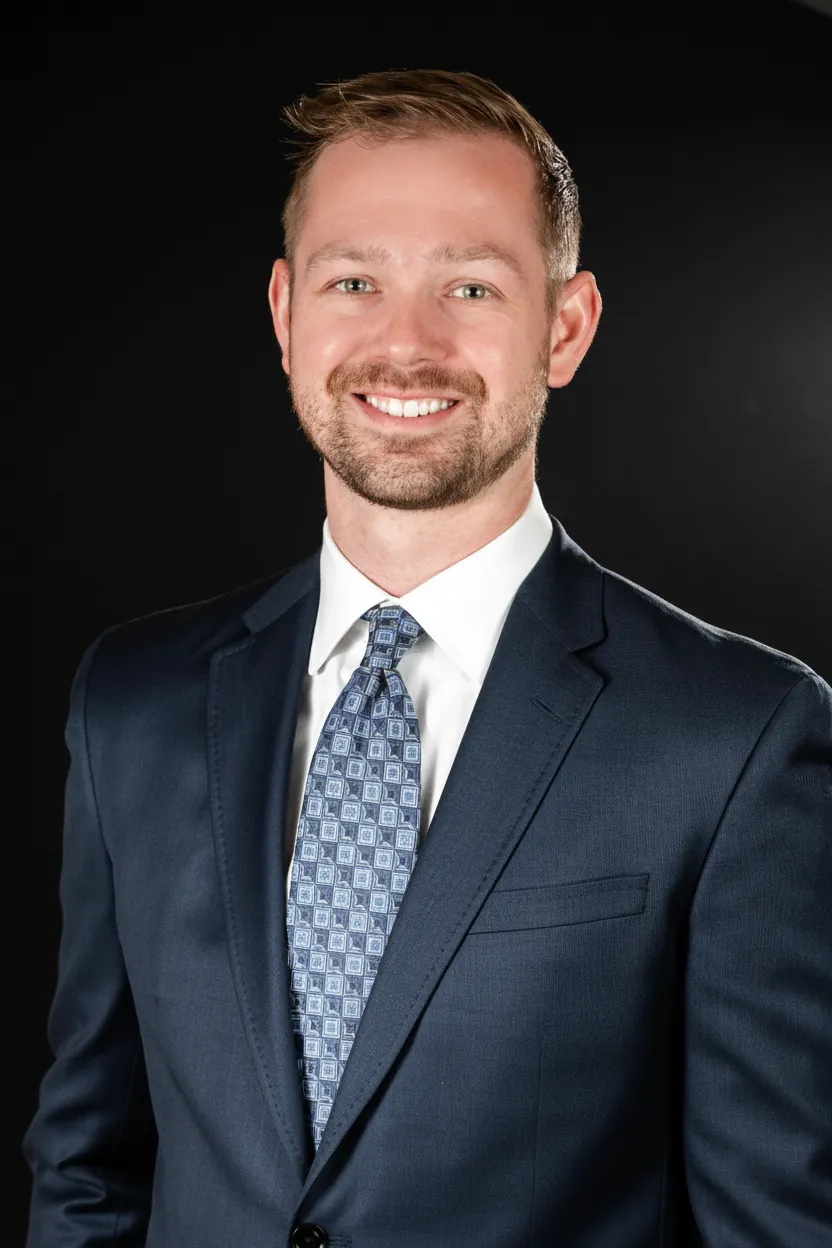
    By Drew Jacobs, Esq. — Founder, Jacobs Counsel LLC

    Director, Sports, Entertainment & Gaming Initiatives at Seton Hall Law

    Last reviewed:

    What does counsel for sports, athletes, and creators cover?

    Sports businesses and athletes operate across contracts, brands, media, NIL, revenue share, and business ventures. We help clients understand the legal terms, protect the value they are building, and make decisions that fit the next stage of the business or career.

    That can mean reviewing a school or collective agreement, negotiating an endorsement deal, structuring an athlete-owned company, or protecting name, image, likeness, and other brand assets.

    Our team knows the industry calendar, the pressure of a signing window, and how a term that looks minor in year one plays out in year four. You get plain-English answers fast enough to use them.

    Athletes & NIL

    Contract negotiation, NIL compliance, brand partnerships, and eligibility protection for collegiate and professional athletes.

    Creators & Entertainers

    Licensing agreements, copyright protection, platform disputes, and business entity structuring for content creators.

    Gaming & Esports

    Regulatory compliance, 50-state legal opinions, licensing applications, and platform terms for gaming companies.

    Where Most Athlete Work Sits Today

    NCAA House Settlement: NIL Revenue Share Deal Review

    The NCAA House v. NCAA settlement is reshaping college athletics. For the first time, schools can share revenue directly with athletes, creating an entirely new category of NIL agreements that look more like professional contracts than the brand deals athletes are used to. These revenue share arrangements involve complex terms around payment structures, eligibility conditions, roster guarantees, and transfer implications.

    This is where most of our athlete work sits today. Athletes and their families bring us a revenue share offer from a school or collective and need someone to explain what they are actually signing, push back on the terms worth pushing on, and make sure the deal does not create eligibility, tax, or professional problems two years out.

    These deals are new, the terms are not standardized, and most athletes have never seen anything like them. An independent read before signing is the difference between a fair deal and one that binds you to terms you did not understand.

    What We Review in Revenue Share & NIL Deals

    Revenue share payment structure and timing
    Roster guarantee and playing time conditions
    Transfer portal impact and portability of terms
    Exclusivity scope and duration limitations
    Morals clause negotiation and narrowing
    Tax structuring and entity formation for NIL income
    Collective and group licensing agreements
    Comparison against emerging market terms
    Post-term obligations and non-compete provisions
    State NIL law compliance (all 50 states)

    Why this matters now: Revenue share deals under the House settlement are being offered to athletes across Division I programs right now. These agreements are not standardized, terms vary widely between schools, and many include provisions that could affect transfer eligibility or future professional earnings. Getting independent legal review before signing is critical.

    Endorsement & Sponsorship Deals

    An endorsement contract is not a standard services agreement. Usage rights, exclusivity, bonus triggers, and morals clauses compound over a career—one broad category exclusivity can block a deal worth several times the one in front of you. We read every term against where the career is going, not just what it pays this year.

    Endorsement Deal Review Checklist

    Every endorsement contract we review is evaluated against these critical provisions:

    Exclusivity

    Category exclusivity scope, geographic limitations, and duration. Overly broad exclusivity can block future deals worth multiples of the current contract.

    Usage Rights

    Where and how the brand can use your name, image, voice, and likeness. Includes digital, broadcast, print, and derivative works.

    Compensation Structure

    Base fees, performance bonuses, royalties, and equity. Payment timing, milestone triggers, and currency for international deals.

    Morals Clause

    Scope of conduct that triggers termination. Negotiation focuses on narrowing subjective language and adding mutual morals provisions.

    Term & Renewal

    Contract duration, automatic renewal provisions, and post-term usage windows. Many brands bury extended usage rights in renewal clauses.

    Termination Rights

    Conditions for early exit by either party, including cure periods, partial payment obligations, and content takedown requirements.

    Gaming & Esports Legal Services

    The gaming and esports industry operates across a patchwork of state and federal regulations. Companies offering skill-based contests, fantasy sports, sweepstakes, or real-money gaming face compliance obligations that vary by jurisdiction, platform type, and prize structure.

    Jacobs Counsel provides 50-state legal opinions, regulatory compliance analysis, and licensing support for gaming companies at every stage, from pre-launch legal architecture through multi-state expansion. According to the American Gaming Association, U.S. commercial gaming revenue exceeded $66 billion in 2023, and the regulatory landscape continues to evolve as states introduce new legislation.

    50-State Legal Opinions

    Comprehensive analysis of how your game or contest classifies under each state's gambling, skill-game, and sweepstakes laws.

    Regulatory Compliance

    Licensing applications, geofencing requirements, responsible gaming programs, and ongoing compliance monitoring.

    Platform Terms & Agreements

    Terms of service, user agreements, privacy policies, and content moderation frameworks tailored to gaming platforms.

    Esports Organizations

    Player contracts, tournament prize structuring, sponsorship agreements, and league governance documentation.

    Gaming Law & Compliance

    What This Costs

    Billable hours reward slowness. We scope and quote matters before work begins, in writing, so you know the cost and the deliverable up front. Discrete work — a contract review, an entity setup — is usually a fixed fee. Larger or open-ended matters are scoped individually rather than forced into a flat number that fits nobody.

    Revenue Share Deal Review

    Fixed fee

    House settlement agreements

    NIL Contract Review

    Fixed fee

    Fast turnaround on signing deadlines

    Endorsement Negotiation

    Quoted up front

    Scoped by deal complexity

    Gaming Legal Opinion

    Quoted up front

    50-state analysis

    Business Formation

    Fixed fee

    LLC or corporation setup

    Ongoing Counsel

    Monthly retainer

    Defined monthly scope

    Why upfront pricing matters here: Athletes and creators work against signing windows, not billing cycles. When the price is set before the work starts, nobody hesitates to send the next question — and the deal gets read properly instead of skimmed.

    Why Athletes and Creators Work With Us

    We Have Been in the Locker Room

    Our founder played Division I basketball at Boston College. That perspective runs through how our team handles athlete career timelines, signing windows, and what is actually at stake in a deal.

    Priced Before We Start

    Matters are scoped and quoted before work begins, so an athlete on a signing deadline is never choosing between clarity and the meter running.

    AI-Assisted, Lawyer-Decided

    AI handles intake, first-pass document review, and research. Our lawyers make the calls. That is how a contract review comes back in days instead of weeks.

    Multi-State Licensing

    Licensed in New York, New Jersey, and Ohio with nationwide practice capability for NIL, gaming, and federal intellectual property matters.

    Not sure which of this applies to you?

    Tell us what you are looking at and we will point you to the right starting place.

    Sports, Athletes & Creators Counsel: Frequently Asked Questions

    What does a sports & entertainment attorney do?

    A sports & entertainment attorney handles contract negotiation, NIL agreements, revenue share deals, endorsement contracts, intellectual property protection, and regulatory compliance for athletes, content creators, and gaming companies. Right now, a major focus is helping athletes navigate NIL revenue share agreements under the NCAA House settlement.

    What is the NCAA House settlement and how does it affect athletes?

    The House v. NCAA settlement allows schools to share revenue directly with athletes for the first time. This creates a new category of NIL agreements involving payment structures, roster conditions, and transfer implications that differ significantly from traditional brand deals. Athletes should have these agreements reviewed by a sports & entertainment attorney before signing.

    Do college athletes need a lawyer for NIL revenue share deals?

    Yes. Revenue share deals under the House settlement are complex, not standardized, and vary widely between schools. A single overlooked clause can affect transfer eligibility, tax obligations, or future professional earnings. Independent legal review before signing is critical.

    How much does a sports & entertainment lawyer cost?

    Most sports and NIL matters are quoted as a fixed fee once we understand the scope—a contract review, an endorsement negotiation, an entity setup. You get the number before work starts. Book a 15-minute case assessment for a quote on your matter.

    What is the difference between a sports agent and a sports attorney?

    An agent markets the athlete and brings in deals. A lawyer reads what those deals actually say—terms, usage rights, exclusivity, tax and entity structure—and negotiates them. Most athletes doing real money should have both, and the two roles should not be the same person.

    Can a sports & entertainment attorney help with gaming and esports?

    Yes. Sports entertainment attorneys who specialize in gaming law handle regulatory compliance, skill-game legal opinions, licensing applications, platform terms of service, and prize pool structuring for esports organizations and gaming companies operating across multiple jurisdictions.

    What should I look for in an endorsement deal contract?

    Key provisions include exclusivity scope and duration, usage rights for your name and likeness, compensation structure and payment timing, morals clauses, termination triggers, and post-term usage restrictions. An attorney ensures none of these terms undercut your long-term brand value.

    Do content creators need a sports & entertainment lawyer?

    Content creators with brand deals, licensing agreements, or significant intellectual property benefit from legal representation. A sports & entertainment attorney protects copyright ownership, negotiates platform-agnostic deal terms, and structures business entities to shield personal assets from liability.

    What states does Jacobs Counsel practice in?

    Jacobs Counsel is licensed in New York, New Jersey, and Ohio, and handles NIL, gaming, and business matters nationwide where state licensure is not required. Fixed-fee scoping and AI-assisted workflows let us work efficiently regardless of where the client is.

    Have a deal in front of you?

    Book a 15-minute case assessment. Bring the agreement, the timeline, and the question you actually need answered.