

What Does an Entertainment Attorney Do for Creators?
By Andrew R. Jacobs, Esq. | Founder & Managing Attorney, Jacobs Counsel LLC | Director, Sports, Entertainment & Gaming Initiatives, Seton Hall University School of Law | Super Lawyers Rising Star 2026
Quick answer
A brand just slid into your DMs with a five-figure sponsorship offer. The contract is 14 pages long. They want a response by Friday.
Why Content Creators Need an Entertainment Attorney in 2026
A brand just slid into your DMs with a five-figure sponsorship offer. The contract is 14 pages long. They want a response by Friday.
This is the moment most creators get it wrong. They skim the deal, miss the exclusivity clause that locks them out of competing brands for 18 months, sign, and move on. Six months later, they turn down a better offer because they legally cannot take it.
The digital creator economy is not casual anymore. In 2026, content creation is a legitimate industry with real revenue, real IP assets, and real legal exposure. YouTube, TikTok, Instagram, Twitch, and podcast platforms generate billions in creator revenue annually. Brands are spending more on creator partnerships than ever before. And the contracts behind those deals have gotten more complex to match.
An entertainment attorney is not a luxury for creators at this stage. It is a practical business decision. You are running a media company, whether or not you think of it that way. Your name, your voice, your face, your content library, your audience relationship — all of it has legal and financial value that needs protection.
This guide breaks down what an entertainment attorney does for content creators, which contracts matter most, how rights management works in practice, and what to look for when you hire legal representation.
What an Entertainment Attorney Actually Does for Creators
An entertainment attorney is a lawyer who specializes in the legal issues that arise in the entertainment, media, and creative industries. For content creators specifically, that means contract review and negotiation, intellectual property protection, licensing, rights clearance, and dispute resolution.
The work is different from general business law. Entertainment contracts carry industry-specific structures, terminology, and traps that a general practice attorney may not catch. Terms like "in perpetuity," "throughout the universe," "all media now known or hereafter devised," and "work made for hire" have specific legal meanings that can strip you of ownership or lock you into unfavorable terms for years.
A good entertainment attorney reads those terms and tells you what they actually mean for your business. Then they negotiate to fix the ones that hurt you.
Beyond contracts, an entertainment attorney helps you:
- Register and protect trademarks on your channel name, brand name, or signature phrases - Structure licensing deals so you get paid when your content or likeness is used - Advise on fair use, music licensing, and content clearance to reduce takedown risk - Draft collaboration agreements with other creators or production partners - Review management, agency, and MCN agreements before you sign - Advise on FTC disclosure requirements and platform terms of service compliance
The goal is not to slow deals down. It is to make sure you close the right deals on terms that actually work for you.
The Core Contracts Every Creator Should Know
Brand Deal and Sponsorship Agreements
Brand deals are the most common contracts creators encounter, and they are often the most one-sided when they arrive. Brands have legal teams. You need one too.
Key provisions to watch in any sponsorship agreement:
Exclusivity clauses. These restrict you from working with competing brands during and sometimes after the deal period. The scope matters enormously. A broad exclusivity clause in a food brand deal could block you from working with any food, beverage, or lifestyle brand for the duration of the agreement. Always negotiate the scope, duration, and category definition.
Usage rights. The brand wants to use your content in their own marketing. That is usually fine, but the terms matter. Where can they use it? For how long? Can they edit it? Can they use your name and likeness in paid advertising? These are separate rights, and they have separate value.
Deliverables and approval rights. Vague deliverable descriptions create disputes. Get specific: number of posts, platforms, formats, posting windows, and revision rounds. Understand what happens if the brand's approval process delays your posting schedule.
Morality and termination clauses. Brands often include broad termination rights if your content or public behavior damages their reputation. These clauses can be fair in principle but dangerously vague in practice. An entertainment attorney negotiates mutual protections and clear definitions.
Payment terms. When do you get paid? What triggers payment? What happens if the brand is acquired or the campaign is cancelled? These questions have answers in the contract. Make sure those answers work for you.
Production and Collaboration Agreements
When you create content with another creator, a production company, or a media partner, you need a written agreement. Handshake deals between friends fall apart when money and ownership are involved.
A production or collaboration agreement should address:
- Who owns the finished content - How revenue gets split, and from which sources - Who controls the publishing and distribution decisions - What happens if one party wants to exit the project - How disputes get resolved
The ownership question is the most important one. If you co-create a series with another creator and there is no agreement, you both have equal ownership rights under copyright law by default. That means either party can block distribution, license the content independently, or create complications if the relationship ends. A clear agreement prevents all of that.
Platform and Distribution Deals
Exclusive platform deals, podcast network agreements, and streaming distribution contracts are increasingly common for mid-to-large creators. These deals often include advances, revenue guarantees, or promotional commitments in exchange for exclusivity or preferential terms.
The risks here are significant. Exclusivity with one platform can limit your ability to grow your audience on others. Reversion clauses determine whether you get your content back if the platform shuts down, pivots, or drops your show. Minimum guarantee structures can look attractive upfront but contain clawback provisions that require you to return money if you miss performance benchmarks.
Read the reversion clause. Negotiate it hard. Your content library has long-term value that outlasts any single platform relationship.
Management and Agency Agreements
If you sign with a talent manager, booking agent, or multi-channel network (MCN), you are entering a legal relationship that affects every deal you do while the agreement is active.
Commission structures, term lengths, and termination rights are the critical provisions. A manager who earns 15-20% of your gross revenue on deals they had no role in closing is a problem. A contract with a two-year term and no performance benchmarks is a problem. An agreement that survives termination and continues to collect commissions on deals made during the term is a problem.
These agreements are negotiable. An entertainment attorney reviews them before you sign and identifies the provisions that need to change.
Rights Management: What You Own and What You're Giving Away
Copyright Ownership and Work-for-Hire Traps
In the United States, you own the copyright in original content you create the moment you create it. That protection is automatic. But it can be transferred, licensed, or lost through contract terms you may not notice.
The most dangerous trap is the work-for-hire clause. Under copyright law, a "work made for hire" belongs to the party who commissioned it, not the person who created it. If a brand contract includes work-for-hire language, you may be signing away ownership of the content you produce for that campaign. The brand can then use that content forever, in any medium, without additional compensation.
Work-for-hire is sometimes appropriate and fairly compensated. But it needs to be negotiated explicitly, not buried in boilerplate.
Copyright registration is also worth understanding. Registration is not required for protection, but it gives you the ability to sue for statutory damages and attorney's fees if someone infringes your work. For high-value content, registration is a smart step.
Licensing: Exclusive vs. Non-Exclusive
When you license your content or likeness to a brand or platform, you are granting them permission to use it under defined terms. You keep ownership. They get a right to use.
The distinction between exclusive and non-exclusive licenses matters a great deal. An exclusive license means only that party can use the content in the defined way during the license period. A non-exclusive license allows you to grant the same rights to multiple parties.
Exclusive licenses command higher fees because they limit your options. If you grant an exclusive license without understanding what you are giving up, you may find yourself unable to work with other brands in the same category, unable to republish your own content on certain platforms, or unable to use your own likeness in ways you assumed were yours to control.
Duration and territory are equally important. "In perpetuity throughout the universe" is a real phrase that appears in real contracts. It means forever, everywhere. That is rarely appropriate for a creator licensing deal, and it is always negotiable.
Trademark Protection for Your Brand
Your channel name, your brand name, your logo, your signature catchphrase — these are potentially valuable trademarks. Copyright protects your content. Trademark protects your brand identity.
Without a registered trademark, someone else can register your name or a confusingly similar one, and you will have limited legal recourse. This happens to creators who build an audience and then discover a competitor or bad actor has registered their brand name in a relevant category.
Trademark registration with the USPTO gives you nationwide priority and legal presumptions of ownership. It also gives you the tools to enforce your rights against infringement, including the ability to have infringing accounts or products removed.
The process takes time, typically 12 to 18 months for straightforward applications. Starting early matters. An entertainment attorney or media attorney who handles IP work files the application correctly, selects the right goods and services classes, and responds to USPTO office actions if they arise.
📥 Free Download: Creator's Legal Survival Guide
Learn how copyright, trademarks, licensing and brand deals affect the business behind your content.
Download Free GuideThe Biggest Legal Mistakes Creators Make in 2026
Signing without reading. The deal moves fast. The brand has a deadline. You sign. This is how creators end up with 18-month exclusivity clauses, work-for-hire provisions, and unlimited usage rights they never intended to grant.
Using unlicensed music. Music licensing in creator content is still one of the most common legal exposure points. Even short clips can trigger copyright claims, content ID matches, or takedowns. If music is central to your content, understanding sync licenses, master licenses, and platform-specific licensing programs is essential.
Skipping the collaboration agreement. Co-created content without a written agreement is a dispute waiting to happen. Even with people you trust.
Ignoring FTC disclosure requirements. The FTC's endorsement guidelines require clear disclosure of material connections between creators and brands. Failing to disclose paid partnerships or gifted products can result in FTC enforcement action. The rules have been updated and enforced more actively in recent years, and 2026 is not the year to be casual about compliance.
Waiting too long to trademark. Trademark priority in the US is based on first use and first filing. If you build a brand and delay registration, you create an opening for someone else to claim it first.
Treating a manager agreement as informal. Management agreements are binding legal contracts. A two-year term with a 20% commission and broad trailing commission rights can cost you significantly if the relationship does not work out.
How to Choose the Right Entertainment Lawyer
Not every attorney who calls themselves an entertainment lawyer has meaningful experience with digital creator issues. The industry has specific structures, platforms, and deal types that a general entertainment attorney may not know well.
When evaluating an entertainment attorney or content creator lawyer, ask:
- Have you reviewed brand deal agreements for digital creators? - Do you handle trademark registration and IP licensing? - How do you structure your fees — hourly or fixed? - Will I work directly with you, or will my matter be handled by an associate? - How quickly can you turn around a contract review?
The billing model matters. Hourly billing at entertainment law firms can run $400 to $800 per hour or more. For a creator reviewing a $10,000 sponsorship deal, an open-ended hourly engagement creates real uncertainty. Fixed-fee arrangements give you a known cost upfront, which makes the decision to get legal help much easier.
Direct attorney access matters too. At large firms, your matter often goes to a junior associate. You want a senior attorney who actually reads your contract, not someone who delegates it.
What to Expect When You Work With an Entertainment Attorney
A good engagement starts with understanding your business. What deals are you currently in? What deals are coming? What does your content library look like? What brand relationships do you have or want?
From there, the work is practical. Contract review typically takes one to three business days for a standard brand deal. Trademark applications require upfront preparation and then monitoring over the following months. Licensing negotiations depend on the complexity of the deal and the responsiveness of the other party.
At Jacobs Counsel, we work directly with content creators in NY, NJ, and OH on exactly these issues. AI handles the research and document review. Andrew handles the strategy. Fixed fees mean you know the cost before you commit. No associate layer means you get a senior attorney on your matter from day one.
You can get a fee estimate and book a call at jacobscounsellaw.com.
FAQs
What does an entertainment attorney do for content creators?
An entertainment attorney reviews and negotiates contracts, protects intellectual property through copyright and trademark, structures licensing deals, and advises on legal compliance issues like FTC disclosures. For creators, the most common work involves brand deal review, collaboration agreements, platform deals, and trademark registration.When should a content creator hire an entertainment lawyer?
Before you sign any significant contract. That includes brand deals, platform exclusivity agreements, management or agency agreements, and production partnerships. It also makes sense to consult an entertainment attorney when you are ready to register your brand as a trademark or when you are structuring a licensing deal for your content or likeness.How much does an entertainment attorney cost?
It depends on the firm and the billing model. Hourly rates at established entertainment law firms typically range from $400 to $800 per hour or more. Fixed-fee arrangements offer a known cost upfront, which is often more practical for creators evaluating whether legal review makes financial sense on a given deal.Do I need a separate attorney for trademark registration?
Not necessarily. An entertainment attorney who handles IP work can file trademark applications, respond to USPTO office actions, and advise on enforcement. If your attorney does not handle trademark work, you will need to find a separate IP attorney for that piece.What is a work-for-hire clause and why does it matter?
A work-for-hire clause in a contract means the content you create belongs to the party who commissioned it, not to you. The brand or platform owns the copyright, not the creator. This can be appropriate in some contexts but needs to be negotiated explicitly and compensated fairly. Many creators sign away ownership without realizing it because work-for-hire language appears in standard contract boilerplate.What rights should I keep in a brand deal?
At minimum, you want to retain ownership of the content you create, limit the brand's usage rights to defined platforms and time periods, and avoid broad exclusivity that blocks you from competing deals. You should also retain the right to republish your own content and control how your name and likeness are used in the brand's advertising.Do I need an entertainment attorney if I am just starting out?
You do not need ongoing legal representation from day one, but you should get a contract reviewed before signing anything significant. Even a one-time fixed-fee review of a brand deal or platform agreement can protect you from terms that cost you far more than the attorney's fee. The earlier you build good legal habits, the fewer problems you will need to fix later.Protect Your Brand Before Someone Else Does
Your content is your business. Your name is your brand. The contracts you sign today shape what you can do for years.
An entertainment attorney is not about slowing deals down. It is about making sure the deals you close actually work in your favor. Fixed fees, faster turnarounds, and direct senior attorney access make that practical at any stage of your creator career.
Learn more and book a call at jacobscounsellaw.com.
*This article is for informational purposes only and does not constitute legal advice. Reading this post does not create an attorney-client relationship.*
Legal Disclaimer: This article is for general informational purposes only and does not constitute legal advice. Reading this article does not create an attorney-client relationship. Laws vary by jurisdiction and may change over time. You should consult counsel about your specific facts before making legal or business decisions.
About the Author
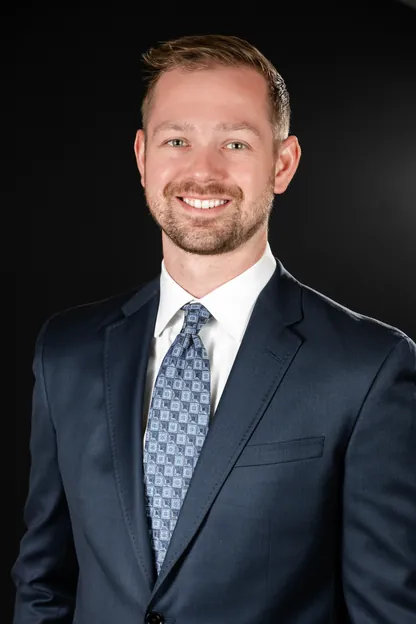
Andrew R. Jacobs, Esq.Founder & Managing Attorney at Jacobs Counsel LLC. Director of Sports, Entertainment & Gaming Initiatives at Seton Hall Law. Super Lawyers Rising Star 2026. Licensed in NY, NJ & OH.
Read full bio →Related on Content Creator Rights, IP & Brand Deals
Cornerstone guides and services
Creator Brand Deals & IP Protection
Licensing, copyright, and brand-deal strategy for content creators.
Read: Creator Brand Deals & IP ProtectionContent Creator Rights Services
DMCA, copyright registration, and brand-deal negotiation — fixed scopes.
Read: Content Creator Rights ServicesCounsel for Creators
Own your content. Close better brand deals. Build a catalog that pays.
Read: Counsel for CreatorsFound this helpful?
Creator's Legal Survival Guide
Learn how copyright, trademarks, licensing and brand deals affect the business behind your content.
Related Articles
Platform Terms of Service: What Creators Actually Agree To
Every time you upload content to YouTube, TikTok, Instagram, or any other pla…
Creators & EntertainmentSponsorship Vs Partnership: Which Deal Type Actually Protects Your Brand?
The difference between sponsorship and partnership isn't just semantics. It's…
Creators & EntertainmentCopyright 101 for Creators: Protecting Your Work
Your creative work is an asset. Whether it's a photograph, a line of code, a …
Keep Learning
More insights on Creators & Entertainment legal strategies
Creator's Legal Survival Guide
Learn how copyright, trademarks, licensing and brand deals affect the business behind your content.
Platform Terms of Service: What Creators Actually Agree To
Every time you upload content to YouTube, TikTok, Instagram, or any other platform, you're entering into a legal agreement.
Sponsorship vs. Partnership Deals: Understanding the Legal Difference
Brands approach creators with offers all the time, using terms like 'sponsorship' and 'partnership' interchangeably.
Enjoyed this article?
Get weekly legal insights delivered straight to your inbox. We keep it brief and useful.
Need Legal Support?
We help high-performing creators, athletes, and founders protect their brands and build sustainable businesses.