

Why NIL Go Has Not Cleared $156.93 Million in Deals—and What Athletes Should Do
By Andrew R. Jacobs, Esq. | Founder & Managing Attorney, Jacobs Counsel LLC | Director, Sports, Entertainment & Gaming Initiatives, Seton Hall University School of Law | Super Lawyers Rising Star 2026
Quick answer
NIL Go reported 2,296 deals worth $156.93 million as not cleared through August 31, 2026. That is a compliance status, not a finding that every contract was illegal or every dollar was lost. Athlete contracts should address clearance, payment, revisions and exit rights expressly.
A signed NIL agreement and permission to perform it are different questions. An athlete can negotiate a commercial deal and still face a clearance issue that changes the timing, structure or viability of the arrangement.
That distinction matters when a family is deciding whether to rely on promised income. The contract should explain what happens if clearance is delayed or denied before either side assumes the deal will proceed.
What the $156.93 million figure actually measures
The College Sports Commission's NIL Go report through August 31, 2026 lists 2,296 deals worth $156.93 million as not cleared, compared with 46,478 cleared deals worth $582.49 million. During July and August alone, 484 deals worth $67.08 million were not cleared.
The report excludes not-cleared deals that had been resubmitted or whose revision period remained open as of August 31. These are reported deal values and compliance outcomes. They do not show that every underlying agreement was illegal, that every athlete lost the stated amount, or that all cleared compensation was actually paid.
The practical lesson is straightforward: a headline deal value is not enough. Athletes need to understand the conditions attached to performance and payment.
How NIL Go review affects the deal
Under the CSC's current NIL guidance, Division I athletes must report third-party NIL deals worth $600 or more, including aggregated smaller payments from the same payor, within five business days of execution or agreement on payment terms.
Review considers the payor's association with a school and, where applicable, a valid business purpose and a range of compensation comparable to similar work. For associated entities or individuals, the commercial purpose must relate to promoting goods or services offered to the public for profit. A complete submission should make the real commercial exchange understandable.
If a deal is not cleared, CSC guidance describes revision and resubmission, cancellation with return of money already received, or neutral arbitration. Proceeding with the original arrangement can put eligibility at risk. Clearance is a compliance determination; it does not itself decide every question of contract enforceability.
Put the clearance process in the agreement
A recruiting conversation, an agent's estimate and a signed payment obligation are different things. Read the actual agreement to determine when compensation is earned, what conditions apply and what happens if the deal changes.
- Assign submission duties. Identify who supplies the agreement, deliverables, valuation support and requested follow-up information. Give the athlete access to the complete record.
- Set a workable clearance condition. Specify which obligations wait for clearance, any deadline for obtaining it, and what happens if review takes longer than expected.
- Control revisions. Require the athlete's written approval before changing compensation, deliverables or rights to address a review issue.
- Address termination and repayment. Define the consequences of a deal that cannot proceed, including amounts already paid and work already completed. Avoid an unexplained obligation to repay every dollar regardless of the circumstances.
- Coordinate disputes. Distinguish the NIL Go review or arbitration process from a contractual payment dispute, and identify who bears relevant costs.
These provisions need to work together. A clearance condition buried in one section can undermine a payment promise elsewhere.
📥 Free Download: NIL and Revenue Sharing Guide
Understand school payments, outside NIL deals and the contract questions that affect an athlete’s earnings.
Download Free GuideBuild the commercial record into the scope of work
Describe the services: the number and format of posts, appearance length, production duties, approval deadlines and campaign dates. Explain the audience and the business the campaign promotes.
Separate compensation for services from the value of exclusivity and licensed uses. Keep support for the proposed pricing, including relevant comparables and the athlete's actual reach. Clear documentation gives reviewers and counterparties something concrete to evaluate; it does not guarantee clearance.
Protect the rights that outlast the campaign
An athlete's compensation should be evaluated alongside what the brand receives. A short campaign can carry a much longer license if the agreement is drafted that way.
Set limits on the term, territory, platforms, paid advertising, sublicensing and post-term use. Address digital replicas, synthetic voice or likeness, and AI training expressly. Define which uses require separate written approval and additional compensation.
Transfer and roster changes also deserve their own terms. Check whether a transfer ends the deal, triggers repayment or leaves exclusivity in place. Have counsel assess any liquidated-damages provision and coordinate the endorsement with separate school or revenue-sharing commitments. Do not assume every transfer clause is enforceable or every restriction is invalid.
The Senate's agent-fee proposal is not current law
On September 28, the Senate passed the Protect College Sports Act of 2026, S. 4668, by 77–22. The Senate-passed text proposes agent registration requirements, a 5% limit on covered endorsement-contract fees and additional athlete protections. Its restriction on predispute arbitration concerns disputes arising under the Act; it should not be described as a blanket ban on every NIL arbitration clause.
As of October 18, Congress.gov lists the bill as passed by the Senate and held at the House desk. It has not become law. Proposed protections do not replace the rules and contracts that apply today.
An athlete evaluating representation should ask what work is included, how fees are calculated, whether commissions continue after termination, and how legal advice differs from marketing or deal-sourcing services. Put that scope in writing.
Plan for the money before it arrives
Coordinate payment timing, records and tax reserves with a CPA. An LLC may be useful in some circumstances, but it is not an automatic tax benefit or a solution to every NIL issue. The structure should fit the athlete's actual activity and obligations.
For estate planning, our sister firm Jacobs Legacy Counsel handles that work. The contract review, tax planning and longer-term asset plan should support one another.
Jacobs Counsel reviews and negotiates athlete agreements with a defined scope and written fee arrangement. Read our 2026 NIL overview, explore our work with athletes, or choose a consultation option before signing. Complimentary calls with Jamee cover fit and intake; attorney strategy consultations with Drew are paid.
Legal Disclaimer: This article is for general informational purposes only and does not constitute legal advice. Reading this article does not create an attorney-client relationship. Laws vary by jurisdiction and may change over time. You should consult counsel about your specific facts before making legal or business decisions.
About the Author
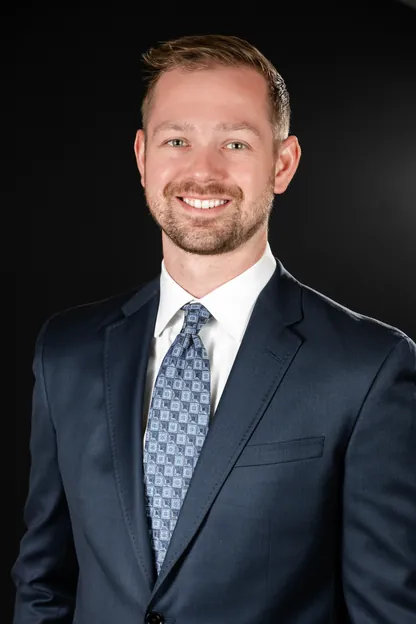
Andrew R. Jacobs, Esq.Founder & Managing Attorney at Jacobs Counsel LLC. Director of Sports, Entertainment & Gaming Initiatives at Seton Hall Law. Super Lawyers Rising Star 2026. Licensed in NY, NJ & OH.
Read full bio →Related on NIL & College Athlete Compensation
Cornerstone guides and services
NIL Revenue Share Guide (Explainer)
How the NCAA House settlement and 22% revenue share works for college athletes.
Read: NIL Revenue Share Guide (Explainer)Athlete Business Playbook
From college NIL deals to retirement: structuring your athlete business.
Read: Athlete Business PlaybookMedia & NIL Licensing Services
NIL contract review, deal negotiation, and brand licensing — fixed-fee scopes.
Read: Media & NIL Licensing ServicesFound this helpful?
NIL and Revenue Sharing Guide
Understand school payments, outside NIL deals and the contract questions that affect an athlete’s earnings.
Related Articles
What Changed for NIL Deals and Collectives in 2026?
A practical look at the 2026 NIL landscape: the House settlement, the Protect…
NIL & Athlete DealsHow to Choose an NIL Attorney: Questions College Athletes Should Ask
How college athletes, families, collectives, and brands should evaluate NIL c…
NIL & Athlete DealsEndorsement Deal Red Flags for Athletes
Practical pre-signing checklist: exclusivity, payment terms, usage rights, mo…
Keep Learning
More insights on NIL & Athlete Deals legal strategies
NIL and Revenue Sharing Guide
Understand school payments, outside NIL deals and the contract questions that affect an athlete’s earnings.
NIL Basics: A Guide for College Athletes
The world of college sports has changed. For decades, student-athletes were barred from earning money from their athletic fame.
How to Negotiate NIL Deals Like a Pro: Tips for Athletes
The opportunity to profit from your Name, Image, and Likeness (NIL) has transformed what it means to be a college athlete.
Enjoyed this article?
Get weekly legal insights delivered straight to your inbox. We keep it brief and useful.
Need Legal Support?
We help high-performing creators, athletes, and founders protect their brands and build sustainable businesses.