
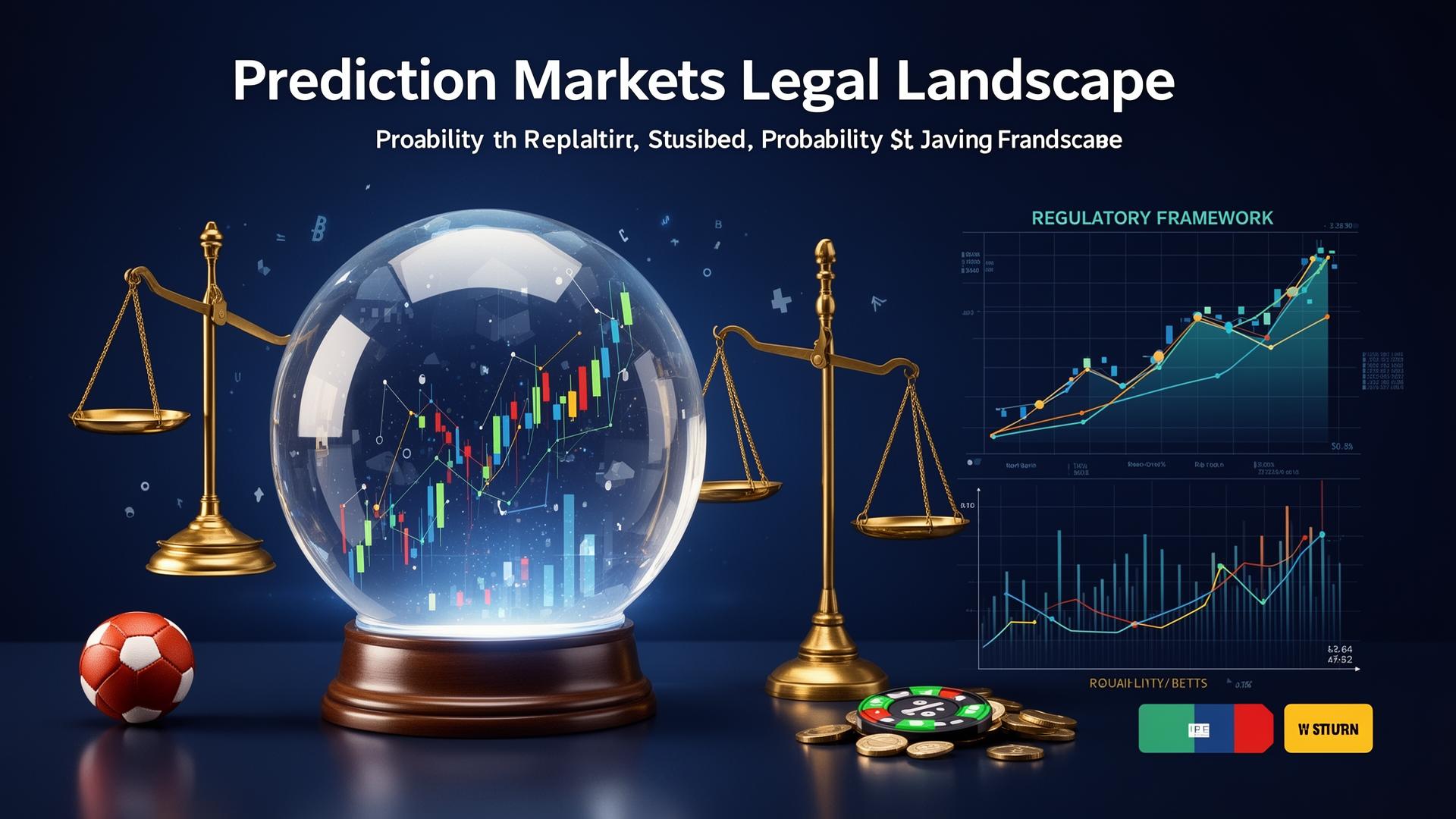
Kalshi, the Circuit Split, and the Two-Speed Map for Prediction Markets
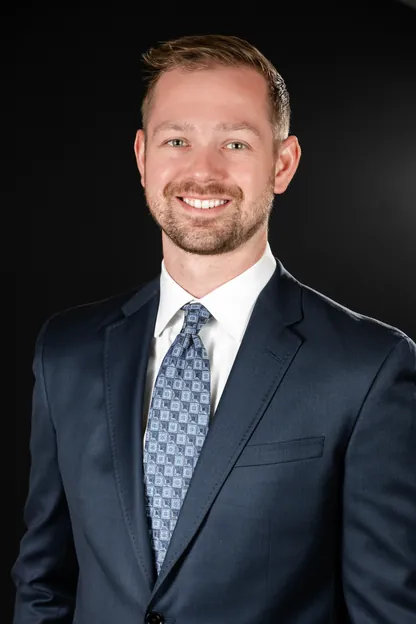
By Andrew R. Jacobs, Esq. | Founder & Managing Attorney, Jacobs Counsel LLC | Director, Sports, Entertainment & Gaming Initiatives, Seton Hall University School of Law | Super Lawyers Rising Star 2026
Quick answer
Federal appeals courts have split over sports event contracts and state gambling enforcement in preliminary-injunction cases. A ruling protecting one platform is not automatic permission for another. Launch decisions need a product-specific review of current law, orders and state access controls.
The legal fight over sports event contracts now has a clear circuit split. Federal registration, state gambling laws and court orders are pulling in different directions, and the answer depends on the product, the parties and the jurisdiction.
For founders, that makes state access controls a launch requirement. For athletes considering sponsorships, it makes regulatory risk part of the contract negotiation. Here is the position as of October 18, 2026.
Where the federal circuits stand
The central question is federal preemption: does the Commodity Exchange Act prevent a state from applying its gambling laws to sports event contracts listed on a CFTC-registered designated contract market?
Three appellate decisions point in different directions. Each arose at the preliminary-injunction stage, where courts decide whether to grant temporary relief while litigation proceeds.
- Third Circuit — New Jersey. On April 6, a divided panel in KalshiEX, LLC v. Flaherty affirmed preliminary relief for Kalshi, accepting its likelihood of success on the federal-preemption theory. Read the opinion.
- Ninth Circuit — Nevada. On August 28, KalshiEX, LLC v. Assad affirmed dissolution of preliminary protection for sports event contracts, concluding that those contracts were not swaps and addressing the federal restriction on gaming contracts. Election-contract issues were remanded. Read the opinion.
- Sixth Circuit — Ohio and Tennessee. On September 25, the court affirmed denial of preliminary relief in Ohio and vacated preliminary relief in Tennessee. Its analysis rejected Kalshi's sports-contract and preemption arguments. Read the consolidated opinion.
A circuit precedent can matter well beyond the original lawsuit. But the injunction itself has a specific scope. Another exchange, broker, contest type or state should not be treated as cleared simply because Kalshi obtained relief in New Jersey.
What is pending at the Supreme Court and CFTC?
New Jersey's petition in Flaherty v. KalshiEX, LLC, No. 26-299, asks the Supreme Court to review the Third Circuit decision. As of October 18, review has not been granted; the docket lists Kalshi's response deadline as November 9. Follow the official docket. A petition does not suspend other orders or guarantee review.
The CFTC has also released a public-inspection version of a proposed rule, RIN 3038-AF82, that would expressly include sports, political, cultural and weather event contracts in the swap definition. As of this article's date, publication is scheduled for October 19, with comments due 30 days after publication. This is a proposal, not a final rule or permission to disregard an operative court order.
For an operator, these are developments to monitor and assess. They are not a substitute for a current launch decision.
📥 Free Download: Gaming Compliance 101
Understand skill, chance, sweepstakes and the compliance questions behind a gaming launch.
Download Free GuideFor founders, geofencing belongs in the product architecture
Founders often ask whether their platform is legal nationwide. A more useful operating question is: where can this specific product operate today, on what authority, and how quickly can the team respond if that authority changes?
Build a state-by-state decision record
Maintain a dated record for each product and state: the controlling law, relevant orders, permitted activities, required controls and who approved the decision. A practical status system is approved for the defined launch, held for further review, or unavailable. Unresolved states should remain closed until the review supports opening them.
Do not turn a favorable headline into a blanket green light. The analysis for an exchange is not automatically the analysis for its distributor, affiliate or a startup offering a superficially similar game.
Make access changes operational
Design location checks, identity controls and product availability so a state or game mode can be disabled promptly. Test how the change affects existing positions, withdrawals, refunds, customer notices and records. Turning off new entries is only one part of an orderly response.
Assign someone to monitor developments and someone with authority to implement the resulting change. A written policy is useful only if the operating team can carry it out.
Review game modes separately
A platform offering skill contests, prediction-style products and promotions needs an analysis for each. Keep the relevant rules, disclosures and availability understandable. Separate labels or wallets do not cure a legal problem, but a clear product structure makes review and controlled changes easier.
For the broader framework, see our prediction-markets overview and gaming geofencing guide.
For athletes, put regulatory risk into the sponsorship agreement
An endorsement offer needs more than a check of the platform's legal theory. Review the athlete's actual league, school, team and existing sponsorship obligations before accepting a gambling-adjacent promotion. A platform's regulatory classification does not by itself answer whether the athlete may advertise it.
The agreement should also explain what happens if the platform loses access to a state or the campaign becomes impermissible for the athlete.
- Define suspension and exit triggers. Address orders, enforcement actions and changes in applicable athlete rules, with clear notice and cure provisions where appropriate.
- Protect earned compensation. Separate payment for completed work from future deliverables, and specify any refund obligation. Consider payment milestones that limit exposure.
- Control ongoing use of the athlete's identity. Set deadlines for taking down ads and stopping paid media after suspension or termination.
- Allocate responsibility. Negotiate representations, indemnities and defense obligations for the platform's conduct, with attention to exclusions, limits and the counterparty's ability to pay.
No clause can guarantee payment from a distressed operator. The goal is to make the allocation of risk explicit before the campaign starts.
Jacobs Counsel advises on gaming product reviews and athlete agreements. Explore our gaming-law services, 50-state gaming legal opinions, or athlete representation. Choose a consultation option before launching a product or signing a sponsorship. Complimentary calls with Jamee cover fit and intake; attorney strategy consultations with Drew are paid.
Legal Disclaimer: This article is for general informational purposes only and does not constitute legal advice. Reading this article does not create an attorney-client relationship. Laws vary by jurisdiction and may change over time. You should consult counsel about your specific facts before making legal or business decisions.
Gaming-specific notice: This article is not a legal opinion and should not be relied upon as clearance to launch a gaming, sweepstakes, contest, or wagering product in any jurisdiction.
About the Author
Andrew R. Jacobs, Esq.Founder & Managing Attorney at Jacobs Counsel LLC. Director of Sports, Entertainment & Gaming Initiatives at Seton Hall Law. Super Lawyers Rising Star 2026. Licensed in NY, NJ & OH.
Read full bio →Related on Skill-Based Gaming & Multi-State Compliance
Cornerstone guides and services
50-State Skill-Based Gaming Legal Opinion
Comprehensive multi-state regulatory survey for skill-based gaming operators.
Read: 50-State Skill-Based Gaming Legal OpinionGaming Law Services
Licensing, compliance, and regulatory strategy for gaming operators.
Read: Gaming Law ServicesCounsel for Gaming Operators
Embedded legal strategy for gaming companies scaling into new states.
Read: Counsel for Gaming OperatorsFound this helpful?
Gaming Compliance 101
Understand skill, chance, sweepstakes and the compliance questions behind a gaming launch.
Gaming Compliance Check
Answer a few questions to see where your product stands on skill vs. chance, multi-state exposure, and licensing risk.
Related Articles
Pennsylvania Skill Games After October 14: Enforcement and Operator Next Steps
Pennsylvania skill-game enforcement began October 14. Understand removal agre…
Gaming & ComplianceSkill vs. Chance Analysis: Legal Framework for Game Developers
Skill-versus-chance analysis evaluates whether the outcome of a paid game, co…
Gaming & ComplianceSkill-Based Gaming vs. Sweepstakes: Legal Differences Operators Must Understand
Understanding the legal differences between skill-based gaming and sweepstake…
Keep Learning
More insights on Gaming & Compliance legal strategies
Gaming Compliance 101
Understand skill, chance, sweepstakes and the compliance questions behind a gaming launch.
Skill-Based Gaming: U.S. Legal Guide
"Skill-based" is not a magic label. Calling a product skill-based does not, by itself, answer the legal question, satisfy an app store, or convince a payment…
Skill-Based Gaming: Legal & Compliance Guide
Skill-based gaming platforms, from mobile apps to large-scale esports tournaments, are attracting millions of players and generating substantial revenue.
Enjoyed this article?
Get weekly legal insights delivered straight to your inbox. We keep it brief and useful.
Need Legal Support?
We help high-performing creators, athletes, and founders protect their brands and build sustainable businesses.