
Injury Insurance for Athletes: Protecting Your Career and Income
By Andrew R. Jacobs, Esq. | Founder & Managing Attorney, Jacobs Counsel LLC | Director, Sports, Entertainment & Gaming Initiatives, Seton Hall University School of Law | Super Lawyers Rising Star 2026
Quick answer
An athletic career is a high-stakes, high-reward enterprise. Your body is your primary asset, and your ability to perform is your primary source of income. A single, unforeseen injury can jeopardize not just a season, but your entire financial future.
💰 Key Takeaways
- Team insurance protects the team, not your full earning potential
- Permanent Total Disability (PTD) covers career-ending injuries
- Loss of Value (LOV) insurance protects against market value drops
- "Own occupation" definition is the gold standard for disability coverage
An athletic career is a high-stakes, high-reward enterprise. Your body is your primary asset, and your ability to perform is your primary source of income. A single, unforeseen injury can jeopardize not just a season, but your entire financial future. While team-provided insurance offers a baseline, it often fails to cover the full scope of potential earnings loss from a career-ending or career-altering injury. This is where private disability insurance becomes a critical strategic tool.
This is not about compliance; it's about control. A well-structured insurance policy is a defensive strategy to protect your peak earning years against catastrophic loss. It ensures that an injury doesn't wipe out your financial independence. This guide breaks down the types of coverage available, the key policy terms to negotiate, and how to secure a contract that protects your leverage when you are most vulnerable.
Why Team Insurance Is Not Enough
Every professional team carries insurance on its players, but this coverage is designed to protect the team's investment, not the athlete's full earning potential. It may cover medical expenses and a portion of your contract salary, but it rarely accounts for lost bonuses, future contracts, or lucrative endorsement deals.
Relying solely on team coverage leaves significant financial exposure on the table. A private disability policy closes this gap. It is owned by you, is fully portable if you are traded or released, and is designed to protect your total economic value—both on and off the field. This is how you hedge against the single biggest risk in your career.
Types of Disability Insurance for Athletes
Disability insurance for athletes generally falls into two categories, each designed to address a different type of risk. The right strategy often involves a combination of both.
1. Permanent Total Disability (PTD) Insurance
This is the most common form of career-ending injury insurance. PTD policies pay out a one-time, lump-sum benefit if an injury or illness permanently prevents you from ever playing your sport professionally again.
How it Works: The policy defines what constitutes a "permanent total disability," typically based on a doctor's assessment and a specified waiting period (e.g., 12 months) after the injury. If you meet the criteria, the policy pays its stated benefit.
Strategic Purpose: PTD coverage is designed to replace the loss of your entire future career earnings. The lump-sum payment provides immediate capital to create a new financial foundation through investments or other ventures. It is your primary defense against a catastrophic, career-ending event.
2. Loss of Value (LOV) Insurance
Loss of Value coverage is a more specialized product, primarily for high-level college athletes and professionals nearing free agency. It is designed to protect against a drop in your market value due to an injury, even if that injury is not career-ending.
How it Works: An LOV policy projects your expected future contract value. If you suffer a significant injury and subsequently sign a contract for less than that projected amount, the policy pays out the difference, up to the policy limit.
Strategic Purpose: LOV insurance protects your leverage in contract negotiations. For a top NFL draft prospect, a torn ACL in their final college season could mean a drop from a first-round to a third-round contract, a difference of millions of dollars. An LOV policy recoups that specific financial loss, protecting the value you built before the injury occurred.
📥 Free Download: NIL and Revenue Sharing Guide
Understand school payments, outside NIL deals and the contract questions that affect an athlete’s earnings.
Download Free GuideKey Policy Terms to Scrutinize
The value of an insurance policy is determined by the specific language in the contract. Vague terms create loopholes that allow insurers to deny claims. Your review must focus on precision and clarity in these key areas.
Definition of Disability: This is the most critical clause. The definition must be specific to your sport and position. An "own-occupation" definition is the gold standard. It defines disability as the inability to perform the duties of your specific occupation (e.g., "professional basketball player"), not just any occupation. Without this, an insurer could argue that you can still work a different job and deny your claim.
Benefit Amount and Payout Structure: The policy must clearly state the lump-sum benefit for a PTD claim or the maximum payout for an LOV claim. Ensure there are no ambiguous clauses that could reduce this amount. The PTD benefit should be a tax-free, lump-sum payment.
Exclusions: Every policy has exclusions—conditions that are not covered. Common exclusions include injuries resulting from illegal activities, substance abuse, pre-existing conditions, or participation in hazardous activities (like motorsports or aviation). Negotiate to limit these exclusions and ensure they are narrowly defined.
Waiting Period (Elimination Period): This is the length of time you must be disabled before benefits are paid. For PTD policies, this is typically 12 months. A shorter waiting period provides access to capital faster, but may come with a higher premium.
Claim Process: The contract should outline the exact steps for filing a claim, including the required medical documentation and timelines for the insurer to make a decision. A clear process prevents delays and disputes when you are most in need of the funds.
The Underwriting and Application Process
Securing a policy is not automatic. It requires a thorough underwriting process where the insurance carrier assesses your risk profile.
Application: You will provide detailed information about your health, income, sport, and lifestyle. Full transparency is critical. Any misrepresentation, even if unintentional, can be used to void the policy and deny a future claim.
Medical Examination: A comprehensive medical exam, including bloodwork and a review of your medical history, is standard. The underwriters are looking for any pre-existing conditions that might increase your risk of injury.
Financial Justification: You must provide proof of your current and projected income, including contracts and endorsement deals. The benefit amount you can purchase is directly tied to your proven economic value.
Policy Issuance: Once underwriting is complete, the carrier will issue a policy offer. This is your opportunity to review the final terms, exclusions, and premium with your advisor before accepting the contract.
Protect Your Edge
Your physical ability is a high-yield, short-term asset. A tailored disability insurance policy is the mechanism you use to convert that temporary advantage into lasting financial security. It's not an expense; it's an investment in risk mitigation that protects your income, your leverage, and your future. The time to secure this protection is when you are healthy and at the peak of your game. Waiting until after an injury is too late.
📊 Athlete Insurance Coverage Comparison
| Insurance Type | What It Covers | Who Needs It | Typical Cost |
|---|---|---|---|
| Loss of Value (LOV) | Draft stock drop due to injury | Top college prospects | $10-50K premium |
| Permanent Total Disability | Career-ending injury | All professional athletes | 1-3% of coverage |
| Own Occupation Disability | Can't perform your sport | High earners | Varies by sport risk |
| Injury Protection | Lost income during recovery | Athletes without guaranteed contracts | Premium varies |
⚠️ Insurance Policy Red Flags
- 🚫 Exclusions for pre-existing conditions not disclosed
- 🚫 Definition of "disability" too narrow
- 🚫 Long waiting periods before benefits begin
- 🚫 Coverage doesn't include off-field injuries
- 🚫 Policy can be cancelled mid-season
✅ Injury Insurance Checklist
- ☐ Get coverage before season starts
- ☐ Review all exclusions carefully
- ☐ Understand claim filing process
- ☐ Keep medical records organized
- ☐ Know your team-provided coverage limits
- ☐ Consider gap coverage for team policy limits
Legal Disclaimer: This article is for general informational purposes only and does not constitute legal advice. Reading this article does not create an attorney-client relationship. Laws vary by jurisdiction and may change over time. You should consult counsel about your specific facts before making legal or business decisions.
About the Author
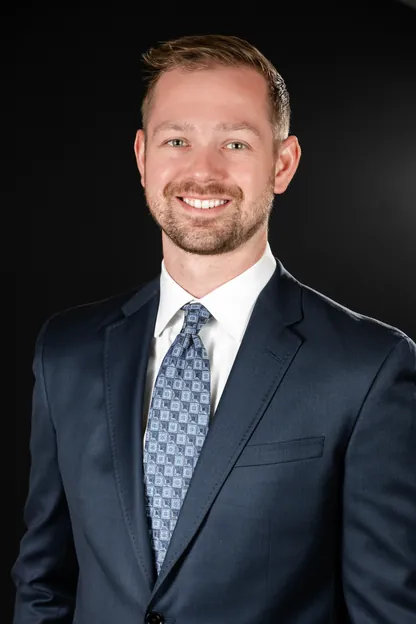
Andrew R. Jacobs, Esq.Founder & Managing Attorney at Jacobs Counsel LLC. Director of Sports, Entertainment & Gaming Initiatives at Seton Hall Law. Super Lawyers Rising Star 2026. Licensed in NY, NJ & OH.
Read full bio →Related on NIL & College Athlete Compensation
Cornerstone guides and services
NIL Revenue Share Guide (Explainer)
How the NCAA House settlement and 22% revenue share works for college athletes.
Read: NIL Revenue Share Guide (Explainer)Athlete Business Playbook
From college NIL deals to retirement: structuring your athlete business.
Read: Athlete Business PlaybookMedia & NIL Licensing Services
NIL contract review, deal negotiation, and brand licensing — fixed-fee scopes.
Read: Media & NIL Licensing ServicesFound this helpful?
NIL and Revenue Sharing Guide
Understand school payments, outside NIL deals and the contract questions that affect an athlete’s earnings.
Related Articles
What Changed for NIL Deals and Collectives in 2026?
A practical look at the 2026 NIL landscape: the House settlement, the Protect…
NIL & Athlete DealsHow to Choose an NIL Attorney: Questions College Athletes Should Ask
How college athletes, families, collectives, and brands should evaluate NIL c…
NIL & Athlete DealsEndorsement Deal Red Flags for Athletes
Practical pre-signing checklist: exclusivity, payment terms, usage rights, mo…
Keep Learning
More insights on NIL & Athlete Deals legal strategies
NIL and Revenue Sharing Guide
Understand school payments, outside NIL deals and the contract questions that affect an athlete’s earnings.
NIL Basics: A Guide for College Athletes
The world of college sports has changed. For decades, student-athletes were barred from earning money from their athletic fame.
How to Negotiate NIL Deals Like a Pro: Tips for Athletes
The opportunity to profit from your Name, Image, and Likeness (NIL) has transformed what it means to be a college athlete.
Enjoyed this article?
Get weekly legal insights delivered straight to your inbox. We keep it brief and useful.
Need Legal Support?
We help high-performing creators, athletes, and founders protect their brands and build sustainable businesses.