
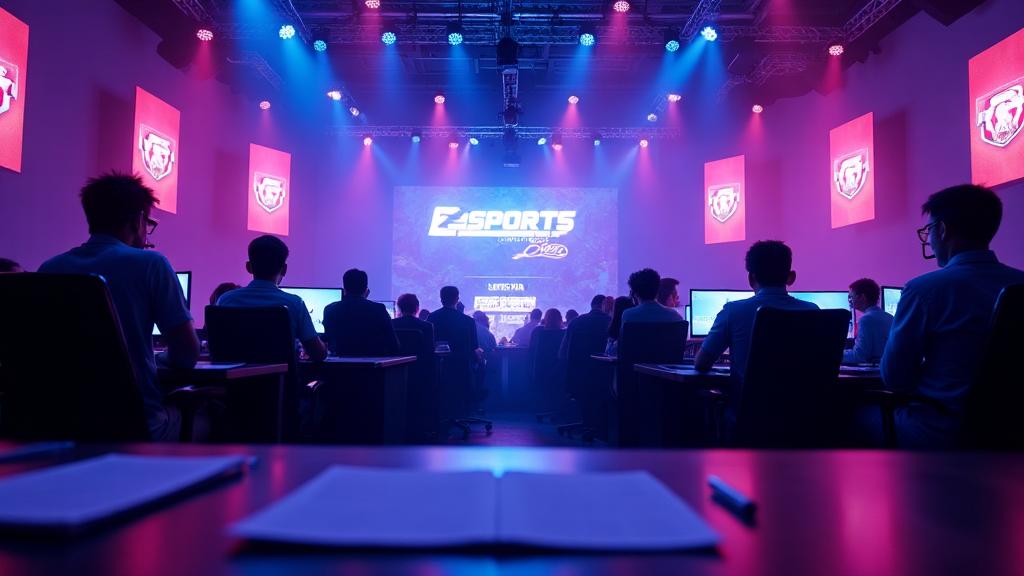
The Legal Side of Esports: Contracts, Sponsorships, and Player Rights
By Andrew R. Jacobs, Esq. | Founder & Managing Attorney, Jacobs Counsel LLC | Director, Sports, Entertainment & Gaming Initiatives, Seton Hall University School of Law | Super Lawyers Rising Star 2026
📌 Disclaimer
This article is for informational purposes only and does not constitute legal advice. Legal requirements vary by jurisdiction, game mechanics, and business structure. Consult qualified legal counsel before making compliance or business decisions.
🎯 Key Takeaways
- Player contracts define salary, prize splits, streaming rights, and obligations
- Sponsorship exclusivity clauses should be narrowly defined by category
- Usage rights should be time-limited, not "in perpetuity"
- Never sign anything without attorney review
The esports industry has exploded from a niche hobby into a global entertainment powerhouse, complete with massive prize pools, sold-out arenas, and celebrity players. As the industry matures, the stakes have become incredibly high. Behind the thrilling gameplay and roaring crowds lies a complex legal framework that governs everything from player salaries to sponsorship deals. For players, teams, and organizations, navigating this landscape without a clear understanding of the law is a high-risk gamble.
Many aspiring pros, driven by passion and the dream of a championship title, rush into agreements without scrutinizing the fine print. This can lead to exploitative contracts, lost revenue, and career-ending disputes. Understanding the legal side of esports is no longer optional; it's a critical component of building a sustainable and successful career. This guide will illuminate the key legal pillars of the industry, contracts, sponsorships, and player rights, and provide actionable advice to help you protect your interests.
Player Contracts: The Foundation of Your Career
A player contract is the single most important document you will sign in your esports career. It defines your relationship with a team, outlining your obligations, compensation, and rights. While the promise of a salary and a spot on a roster is exciting, a poorly constructed contract can turn your dream job into a nightmare.
Key Terms to Scrutinize:
Compensation and Payment Structure: Your salary is just one piece of the puzzle. The contract must clearly detail how and when you will be paid. Will you receive a consistent monthly salary? What about prize money? A common pitfall is a vague clause about prize winnings. The contract should specify the exact percentage of tournament prize money you are entitled to and the timeline for payment after it's received by the organization.
Term and Termination: How long does the contract last? More importantly, how can it be ended? Look out for "termination for convenience" clauses that allow the team to drop you at any time, for any reason, with little notice. A fair contract should primarily be terminable "for cause," meaning you have breached the agreement. It should also provide you with an "out" if the organization fails to meet its obligations, such as not paying you on time.
Deliverables and Obligations: What are you required to do besides playing the game? Modern esports contracts often include extensive obligations, such as a minimum number of streaming hours, a set number of social media posts, and participation in media appearances. These deliverables must be specific and reasonable. Vague language like "promotional activities as required" gives the team a blank check to demand your time, which can lead to burnout.
Sponsorship Agreements: Monetizing Your Brand
Sponsorship deals are a vital revenue stream for both players and teams. Brands are eager to connect with the highly engaged esports audience, but the agreements they propose are designed to maximize their own benefit. Whether it's a personal sponsorship or a team-wide deal you must participate in, understanding the terms is crucial.
Common Pitfalls in Sponsorship Deals:
Overly Broad Exclusivity: A sponsor will require exclusivity in their product category. This is standard. However, the danger lies in how that category is defined. If a gaming peripheral sponsor demands exclusivity in the "electronics" category, that could prevent you from signing a lucrative deal with a mobile phone or headphone company. Always negotiate to narrow the exclusivity to be as specific as possible (e.g., "mice, keyboards, and mousepads").
Usage Rights and Intellectual Property: The contract will specify how the brand can use your name, image, and likeness (NIL). Watch out for language that grants them rights "in perpetuity" (forever). This means they could use your face in an ad campaign ten years from now, long after your contract has ended and they've stopped paying you. Usage rights should be limited to the term of the contract, specific territories (e.g., North America), and defined media (e.g., social media channels only).
Morality Clauses: These clauses allow a brand to terminate a deal if you engage in conduct that could damage their reputation. While common, they can be dangerously subjective. Push for morality clauses to be tied to objective events, like a criminal conviction, rather than vague terms like "bringing the brand into public disrepute," which can be interpreted broadly and used against you unfairly.
📥 Free Download: Gaming Compliance 101
Navigate regulations without getting shut down. Multi-state licensing and compliance essentials.
Download Free GuidePlayer Rights: Protecting Yourself in an Unregulated World
Unlike traditional sports, esports lacks a unified players' association or collective bargaining agreement to set industry-wide standards. This "Wild West" environment means that players must be proactive in advocating for their own rights.
Key Rights to Defend:
The Right to a Safe Work Environment: This includes both physical and mental health. The pressure to perform can lead to burnout, repetitive strain injuries (like carpal tunnel syndrome), and significant mental health challenges. A good contract should include provisions for health insurance and access to physical therapists or mental health professionals.
The Right to Your Personal Brand: Your social media accounts, your stream, and your personal brand are valuable assets. Team contracts will often try to exert control over these assets. The agreement should clearly delineate what the team controls versus what you control. You should fight to retain ownership and creative control over your personal channels.
The Right to Fair Representation: Many young players rely on friends, family, or uncertified agents to negotiate deals. This is a massive risk. The industry is full of predatory agents who will lock players into bad deals for a quick commission. It is essential to work with a qualified agent or an attorney who understands the esports landscape and has a fiduciary duty to act in your best interest.
Building a Sustainable Career: Actionable Advice
Navigating the legal side of esports requires a professional and proactive mindset.
Read Everything: Never sign a contract without reading every single word. If you don't understand a clause, ask for clarification. If it feels unfair, it probably is.
Get Professional Help: The cost of hiring an experienced esports attorney or a certified agent is an investment, not an expense. They can spot red flags you would miss, negotiate better terms, and save you from career-altering mistakes.
Know Your Value: Understand the market rate for a player of your skill level and brand influence. Don't let the excitement of an offer cause you to accept a lowball deal.
Document Everything: Keep records of all communications, payments, and agreements. This documentation can be invaluable in the event of a dispute.
The esports world offers incredible opportunities, but it's also fraught with legal pitfalls. By treating your career as a business and arming yourself with knowledge and professional guidance, you can protect your rights, maximize your earnings, and build a lasting legacy in the game you love.
📊 Esports Contract Comparison
| Contract Type | Typical Length | Key Terms | Watch For |
|---|---|---|---|
| Player Agreement | 1-3 years | Salary, prize splits, streaming rights | Exclusivity scope |
| Sponsorship | 6-24 months | Deliverables, usage rights, payment | Morality clauses |
| Content Creator | 1-2 years | Content quotas, platform exclusivity | IP ownership |
| Team Buyout | Per transfer | Buyout fee, new terms | Non-compete scope |
✅ Esports Contract Review Checklist
- ☐ Salary and prize split clearly defined
- ☐ Streaming/content rights retained
- ☐ Termination clauses reviewed
- ☐ Non-compete limited in scope/geography
- ☐ Image rights compensation included
- ☐ Travel and equipment provisions clear
Legal Disclaimer: This article is for informational purposes only and does not constitute legal advice or create an attorney-client relationship. Laws vary by jurisdiction and change frequently. Nothing in this post should be relied upon as a definitive legal conclusion for any specific situation. Consult a qualified attorney before taking action based on any information here.

About the Author
Andrew R. Jacobs, Esq.Founder & Managing Attorney at Jacobs Counsel LLC. Director of Sports, Entertainment & Gaming Initiatives at Seton Hall Law. Super Lawyers Rising Star 2026. Licensed in NY, NJ & OH.
Read full bio →Continue exploring Skill-Based Gaming & Multi-State Compliance
Go deeper on this topic
50-State Skill-Based Gaming Legal Opinion
Comprehensive multi-state regulatory survey for skill-based gaming operators.
Read moreGaming Law Services
Licensing, compliance, and regulatory strategy for gaming operators.
Read moreCounsel for Gaming Operators
Embedded legal strategy for gaming companies scaling into new states.
Read moreFound this helpful?
Gaming Compliance 101
Navigate regulations without getting shut down. Multi-state licensing and compliance essentials.
Related Articles
Single-State vs. 50-State Gaming Legal Opinion: Which Do You Need?
Deciding between a single-state and 50-state gaming legal opinion depends on …
GamingSkill-Based Gaming vs. Sweepstakes: Legal Differences Operators Must Understand
Understanding the legal differences between skill-based gaming and sweepstake…
GamingGaming Compliance Checklist: Essential Steps for Operators (2026)
Launching an online gaming platform is an exhilarating venture, but success h…
Keep Learning
More insights on Gaming legal strategies
Gaming Compliance 101
Navigate regulations without getting shut down. Multi-state licensing and compliance essentials.
Skill-Based Gaming: U.S. Legal Guide
The skill-based gaming industry in the United States operates in a complex and fragmented legal landscape.
Skill-Based Gaming: Legal & Compliance Guide
Skill-based gaming platforms, from mobile apps to large-scale esports tournaments, are attracting millions of players and generating substantial revenue.
Enjoyed this article?
Get weekly legal insights delivered straight to your inbox. We keep it brief and useful.
Need Legal Support?
We help high-performing creators, athletes, and founders protect their brands and build sustainable businesses.